
What Makes a Property Feel Truly Connected to Zihuatanejo?
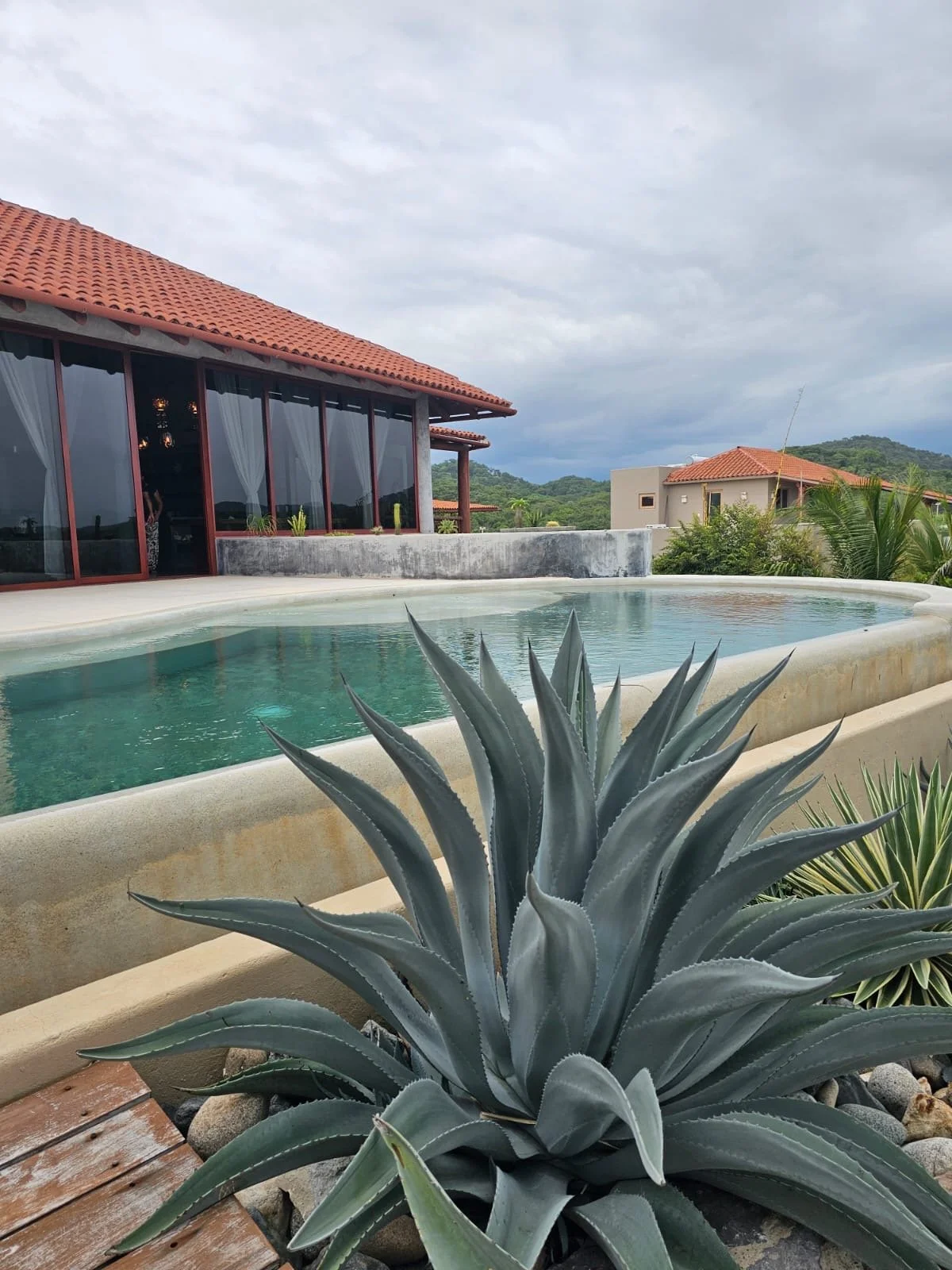
The character of a coastal home is shaped by more than its architecture. Climate, landscape, natural light and the connection between indoor and outdoor spaces all contribute to the experience of living in Zihuatanejo.
Some homes are beautiful, yet could belong almost anywhere.
Others have something more difficult to define. The architecture feels natural to the landscape. The outdoor spaces invite you to slow down. The light, vegetation and materials seem to belong to the place rather than simply occupy it.
In Zihuatanejo, this distinction can be especially meaningful.
A residence may offer extraordinary ocean views, contemporary finishes and generous living spaces. But what often makes a coastal home memorable is the way it responds to its surroundings and supports the rhythms of everyday life.
The tropical climate, the movement of the breeze, the character of the hillsides and the relationship between indoor and outdoor spaces all influence how a property feels.
A home that truly belongs in Zihuatanejo does more than offer a view of the coast. It creates a way of living that feels connected to it.
A Sense of Place Is Difficult to Replicate
There is a difference between building a beautiful house and creating a home that feels appropriate to its location.
A residence designed for a dense urban environment may emphasize enclosed interiors, controlled temperatures and separation from the outdoors.
In Zihuatanejo, the relationship can be very different.
Terraces become extensions of living rooms. Gardens create privacy while maintaining a connection to nature. Covered outdoor spaces provide places to gather, read or enjoy a quiet afternoon.
The surrounding landscape becomes part of the experience rather than something observed only through a window.
This does not mean every home should follow the same architectural style.
Contemporary residences, traditional Mexican architecture and carefully renovated older properties can all express a strong sense of place.
What matters is whether the design responds thoughtfully to its setting.
The most memorable homes do not simply occupy a location. They develop a relationship with it.
Architecture That Responds to the Climate
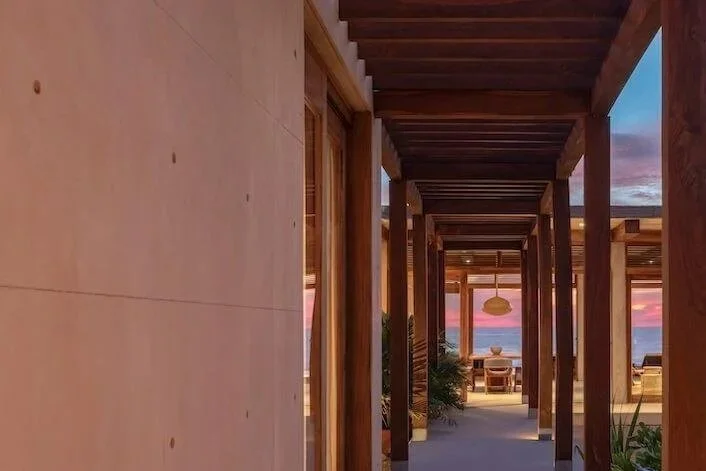
Thoughtful coastal architecture considers sunlight, shade, ventilation and seasonal weather to create comfortable spaces throughout the year.
One of the defining characteristics of coastal living in Zihuatanejo is the tropical climate.
Warm temperatures, strong sunlight, seasonal rainfall, humidity and changing breezes influence how a residence performs throughout the year.
Architecture that acknowledges these conditions can make daily life considerably more comfortable.
Roof overhangs can help shade windows and terraces. Covered walkways can create comfortable transitions between spaces. Thoughtful window placement may encourage natural airflow.
The orientation of a residence can also influence how much direct sunlight enters different rooms and how outdoor areas feel at particular times of day.
These details may not be immediately apparent in property photographs.
Yet they often become some of the most important elements of the ownership experience.
A visually striking home may still feel uncomfortable if its principal living spaces receive excessive afternoon sun or have limited airflow.
Conversely, a relatively simple architectural solution can make a residence feel remarkably pleasant.
Good coastal architecture is not only about how a property looks. It is also about how comfortably it allows people to live.
Outdoor Living as Part of Everyday Life
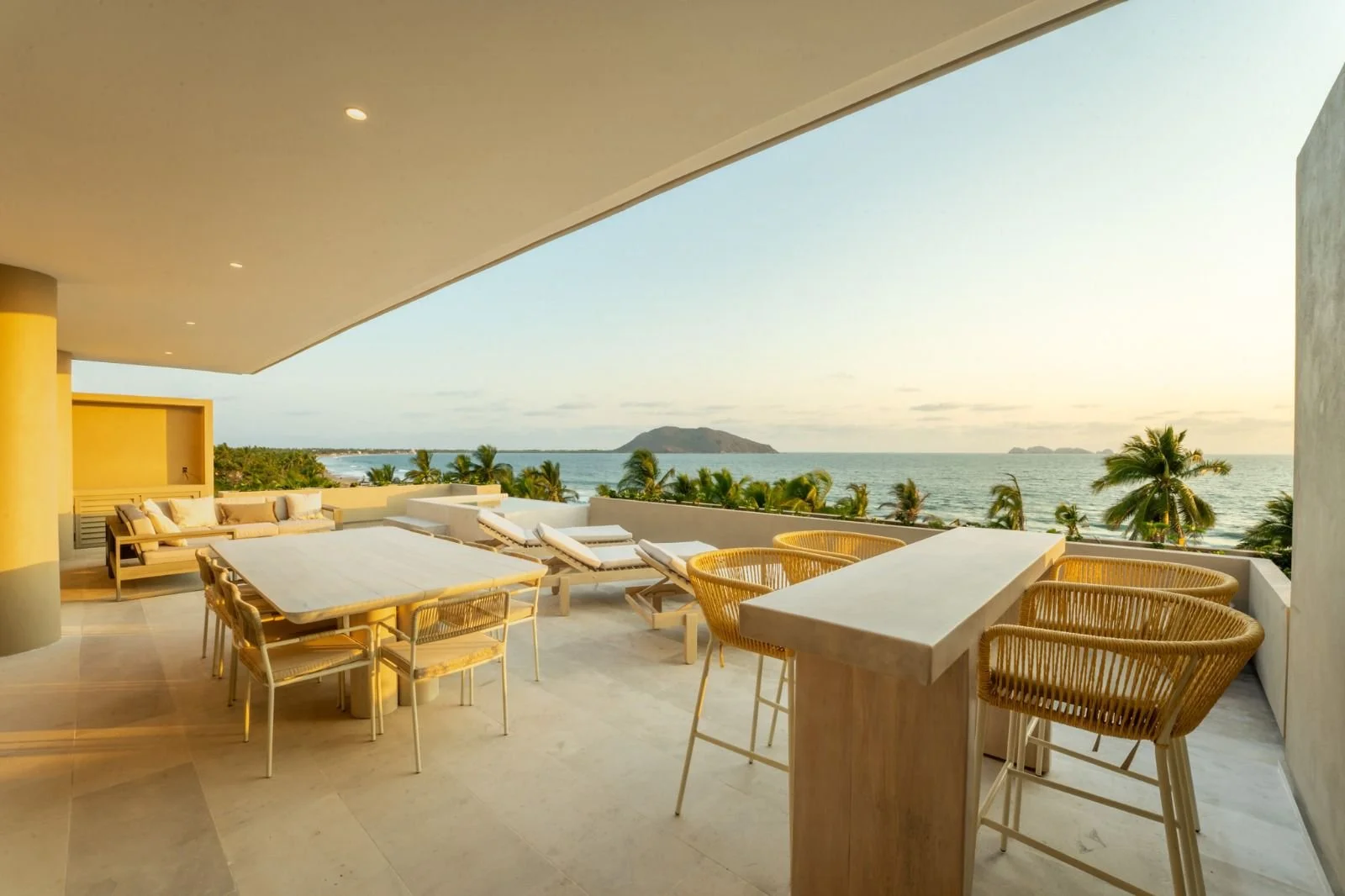
In Zihuatanejo, shaded terraces and open-air gathering spaces can become natural extensions of the home, supporting everyday living and entertaining.
In many places, outdoor living is seasonal.
In Zihuatanejo, it can become an essential part of the home.
A covered terrace may serve as an informal dining room. An open-air lounge may become the most frequently used gathering space. A shaded courtyard can offer a quiet place to begin the morning.
These spaces are not necessarily secondary amenities.
They can be central to the way the residence functions.
When evaluating a coastal home, it is worth considering whether the indoor and outdoor areas feel naturally connected.
Can the living room open comfortably toward the terrace?
Is there a practical relationship between the kitchen, dining area and outdoor spaces?
Does the layout support both entertaining and quiet moments?
Can outdoor areas be enjoyed during different parts of the day?
A property does not need to be enormous to create an exceptional outdoor living experience.
Sometimes, a well-positioned terrace is more valuable to everyday life than an additional interior room.
The Importance of Shade and Natural Ventilation
Ocean views tend to receive immediate attention.
Shade and airflow deserve some of it too.
In a tropical environment, the ability to enjoy a terrace during the warmest part of the day can dramatically influence how often that space is used.
The same applies to ventilation.
Windows positioned to encourage cross-breezes, openings that connect interior spaces and shaded areas that reduce direct heat exposure can contribute to comfort.
Of course, natural ventilation does not eliminate the need for air conditioning, particularly during hotter or more humid periods.
But thoughtful design may allow owners to rely on mechanical cooling less frequently in certain spaces and conditions.
It can also create a more direct relationship with the surrounding environment.
Imagine sitting in a shaded outdoor living area while a gentle breeze moves through the space.
The experience is not defined by expensive finishes or elaborate technology.
It is defined by how well the architecture works with the climate.
Materials That Feel Appropriate to the Coast
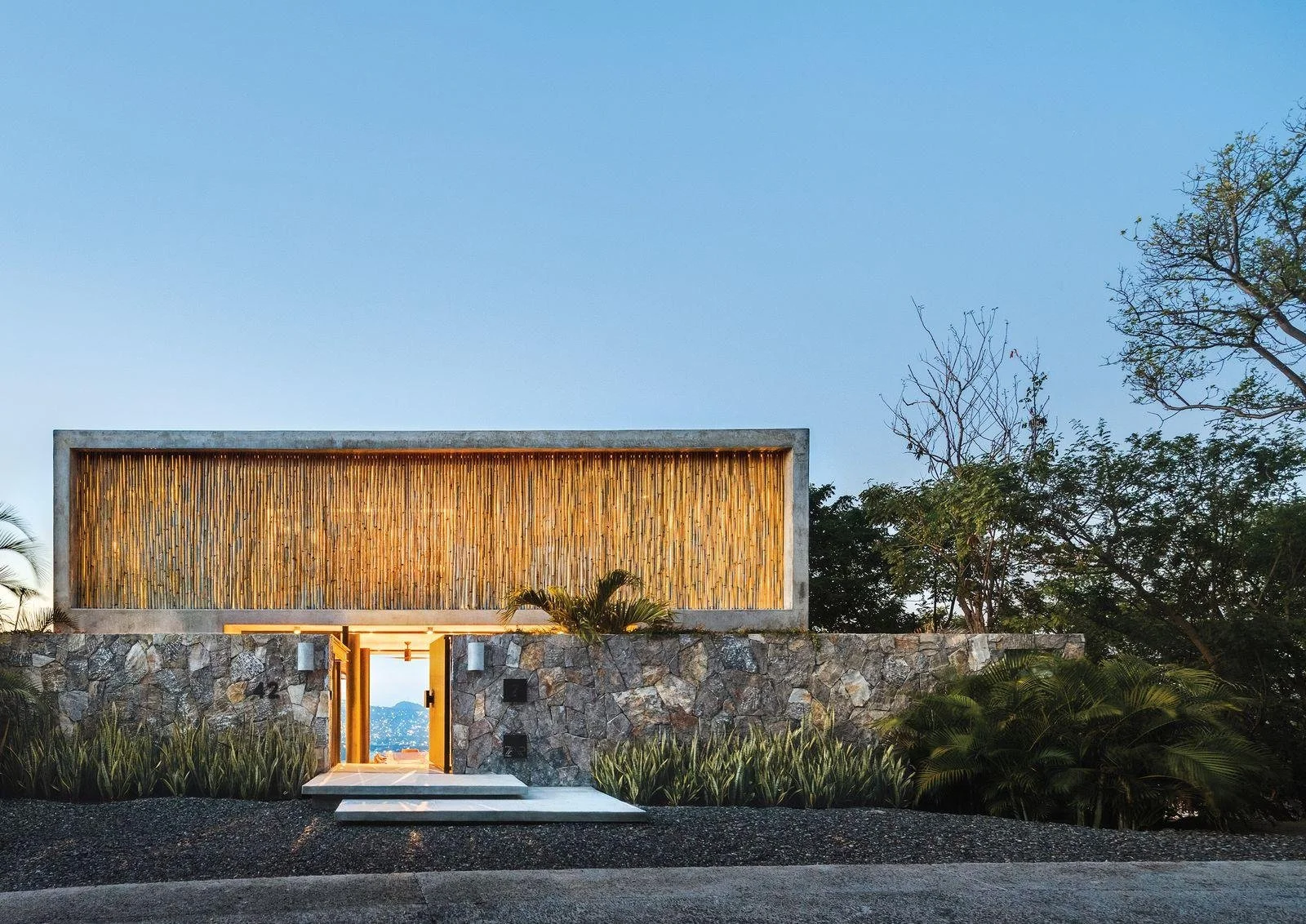
Material choices contribute to the identity of a coastal home while also influencing durability, maintenance and the relationship between architecture and its environment.
Materials contribute significantly to the character of a residence.
Natural stone, wood, textured plaster, tile and other finishes can create warmth and a visual connection to the surrounding landscape.
But material selection should involve more than appearance.
Coastal environments introduce practical considerations.
Humidity, salt exposure, sunlight and seasonal rainfall can affect different materials and building components over time.
Exterior metals, hardware, finishes, waterproofing systems and exposed surfaces may require particular attention depending on their location and specifications.
This does not mean one material is universally better than another.
It means the choices should make sense for the environment and the maintenance expectations of the owner.
A beautiful material that requires substantial ongoing care may be appropriate for one property and less suitable for another.
The most successful material choices balance visual character, durability and the realities of coastal ownership.
Landscaping That Belongs to the Environment
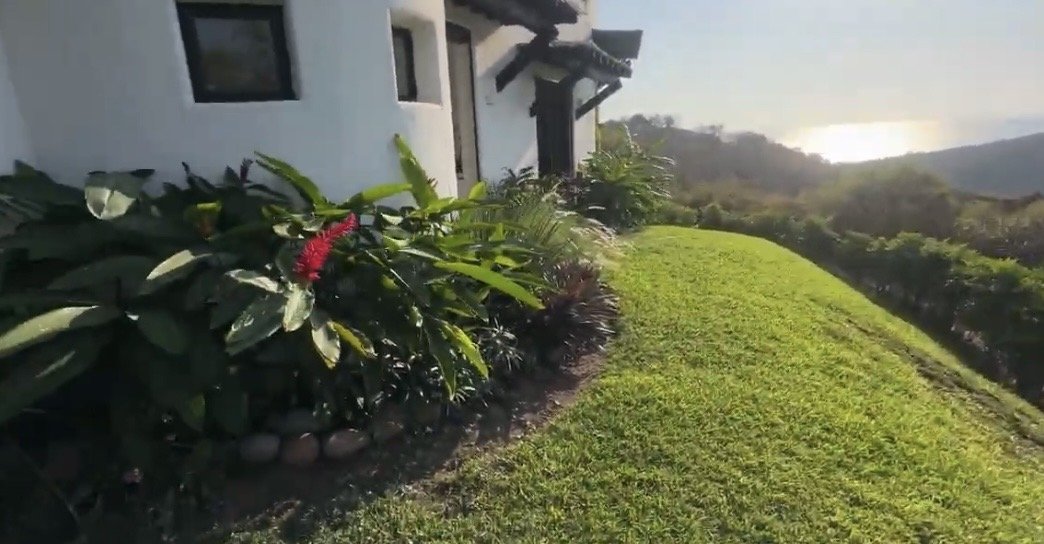
Thoughtful landscaping can create shade, privacy and a natural transition between residential architecture and Zihuatanejo's tropical environment.
Landscaping can transform the experience of a property.
Mature trees provide shade. Tropical planting can soften architectural lines. Carefully positioned vegetation may create privacy without completely enclosing a residence.
Gardens can also influence how outdoor spaces feel and how naturally the home connects to the surrounding terrain.
In Zihuatanejo, where hillsides, coastal vegetation and ocean views often exist in close proximity, this relationship becomes particularly important.
A landscape design does not need to imitate untouched nature.
It should, however, consider local growing conditions, maintenance needs, drainage and the relationship between planting and architecture.
Established properties sometimes benefit from years of landscape growth that would be difficult to recreate immediately.
Newer residences may offer the opportunity to develop a planting strategy alongside the architecture from the beginning.
Both approaches can work beautifully.
The important question is whether the landscaping contributes to the overall experience rather than serving only as decoration.
“The most compelling coastal homes do not compete with their surroundings. They find a way to become part of them.”
Privacy Without Losing the Connection to Nature
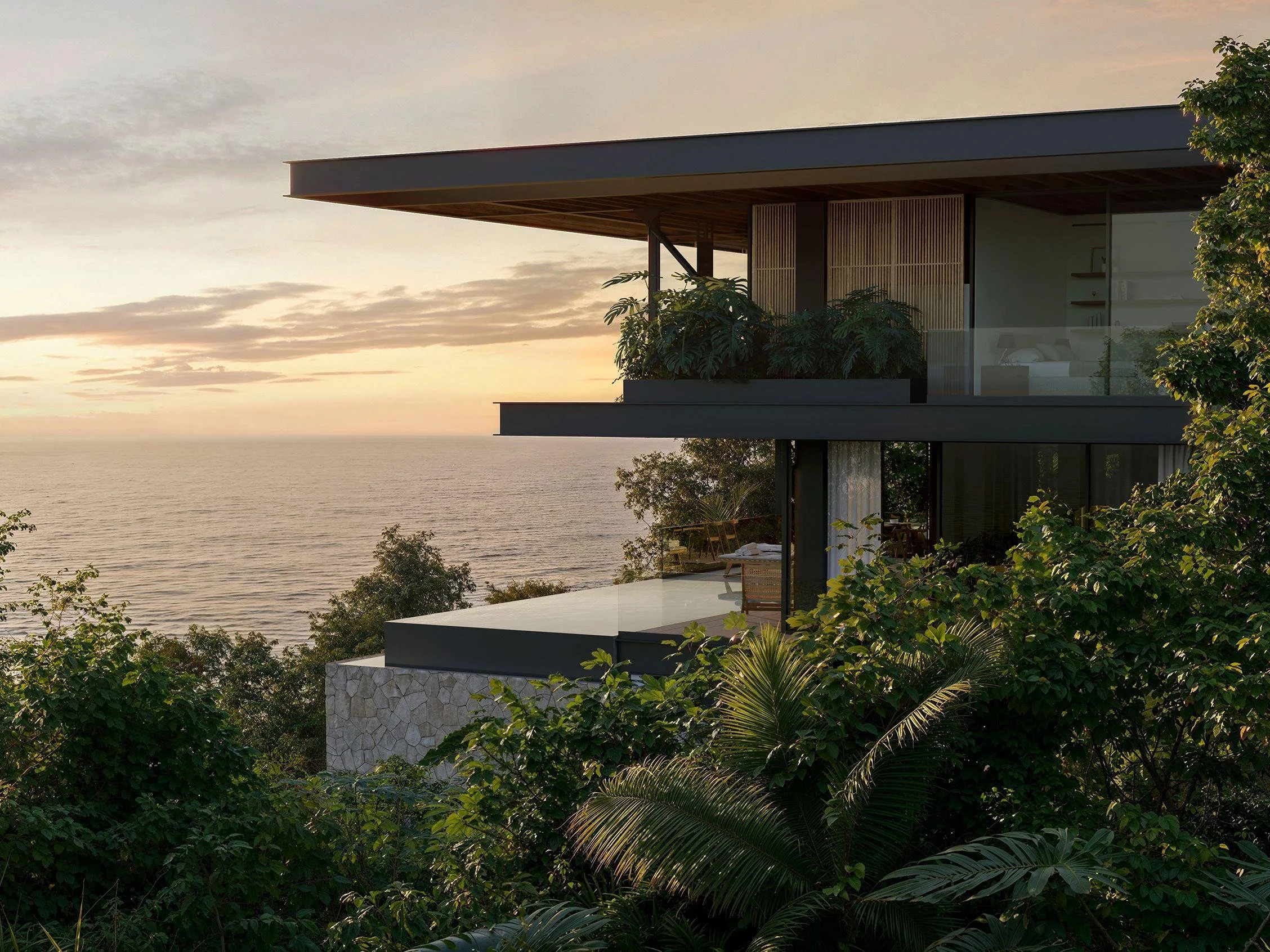
Architecture, elevation and landscaping can create a sense of privacy while preserving natural light, airflow and a connection to the surrounding environment.
Privacy is an important consideration for many buyers.
But privacy does not necessarily require completely separating a home from its surroundings.
Thoughtful landscaping, architectural orientation, changes in elevation and carefully positioned outdoor spaces can create a sense of seclusion while preserving light, airflow and views.
A terrace may feel private because of its relationship to neighboring properties rather than because it is surrounded by high walls.
A garden may provide a natural visual buffer while maintaining an open atmosphere.
The same principles apply to bedrooms, living areas and outdoor gathering spaces.
When visiting a property, consider not only what you can see, but also what others may see from surrounding residences.
Think about how the property will feel when neighboring homes are occupied.
Consider whether privacy changes between different parts of the residence.
The goal is not always complete isolation. It is finding the right balance between openness and personal space.
The Difference Between Having an Ocean View and Living with the Ocean
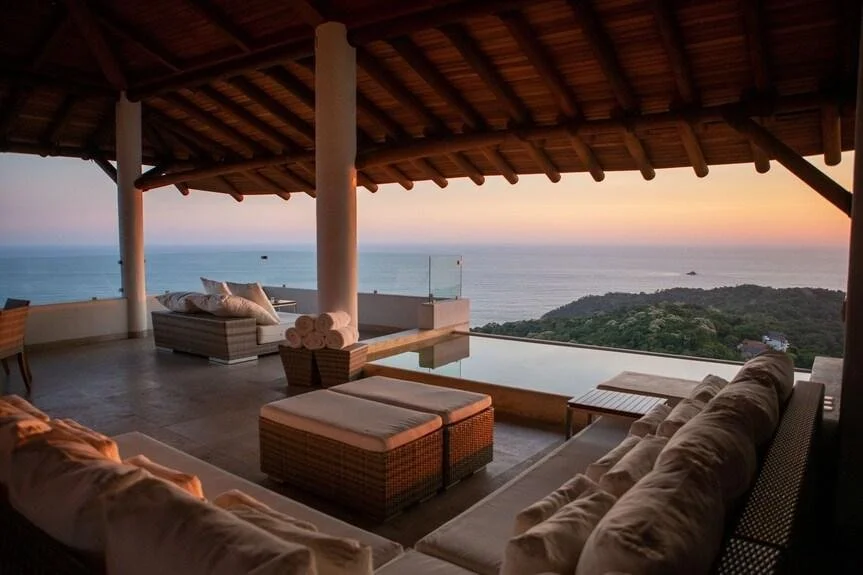
The relationship between a home and the ocean shapes daily life, from elevated views and shaded terraces to the sounds, breezes and changing character of the coast.
An ocean view can be one of the most desirable features of a coastal residence.
But not all relationships with the ocean are the same.
Some homes offer expansive panoramic views from elevated positions.
Others provide a closer connection to the shoreline, where the sound of waves and the surrounding coastal environment become part of daily life.
A hillside residence may offer privacy, changing perspectives and dramatic views.
A beachfront property may offer more immediate access to the sand and water, along with different considerations related to exposure, activity and maintenance.
Neither experience is automatically superior.
In Ocean View or Beachfront? Choosing the Right Coastal Property, we explore how these different settings can influence lifestyle and ownership.
What matters is understanding the relationship you want with the coast.
Do you imagine watching the sunset from an elevated terrace?
Walking to the beach in the morning?
Enjoying the sound of the ocean from an open-air living area?
Or having a quieter setting surrounded by vegetation, with the Pacific visible in the distance?
The best ocean view is not necessarily the most dramatic one. It is the one that supports the way you want to live.
Local Character Without Imitation
A residence does not need traditional decorative elements to feel connected to Mexico.
Nor does contemporary architecture automatically lack local character.
A sense of place can emerge through proportion, material choices, outdoor living spaces, landscape integration and the way a building responds to the climate.
Traditional architectural ideas can be interpreted in contemporary ways.
Courtyards, shaded corridors, covered terraces and natural materials may feel entirely appropriate within modern residential design.
Likewise, an older residence can be thoughtfully renovated without losing the qualities that make it distinctive.
The strongest results often come from understanding the location rather than attempting to reproduce a particular visual style.
Authenticity is not necessarily about looking traditional. It is about feeling appropriate to the place.
The Relationship Between the Home and Its Surroundings
A property's character is influenced by more than the residence itself.
Its relationship with the surrounding community matters.
Access roads, neighboring buildings, landscaping, elevation, nearby activity and future development can all affect the experience.
A beautifully designed home may feel less appealing if its surroundings create unexpected noise, difficult access or limited privacy.
A simpler residence may become particularly attractive because of its peaceful setting and natural connection to the neighborhood.
This is one reason why evaluating a property should extend beyond the building.
The same principle applies to new residential developments.
A well-planned community considers how individual residences relate to common areas, circulation, landscaping and the broader site.
Our What to Look for in a Well-Planned Coastal Development article explores how these planning decisions can shape the residential experience.
A home is never entirely separate from the environment around it.
What Buyers Should Notice When Visiting a Home
The qualities that create a sense of place are not always immediately visible in photographs or floor plans.
Some are best understood by spending time at the property.
When visiting a residence in Zihuatanejo, pay attention to how the spaces feel.
Notice where the sun enters.
Observe which terraces are shaded.
Open doors and windows where appropriate and see how the air moves.
Look at the relationship between indoor and outdoor spaces.
Consider how the landscaping contributes to privacy.
Listen to the surrounding environment.
Imagine how you would use the property on an ordinary day, not only during a vacation.
Would you enjoy having breakfast on the terrace?
Is there a comfortable place to read during the afternoon?
Can you imagine entertaining friends without the layout feeling disconnected?
Would the residence remain practical during the rainy season?
Does the architecture feel naturally suited to the location?
These observations can reveal qualities that are difficult to capture in a listing.
For a more detailed approach to property visits, see Beyond the View: What to Look for When Touring a Property in Zihuatanejo.
A Home Should Feel Right Beyond the First Impression
There is nothing wrong with being captivated by a spectacular view, an extraordinary terrace or beautiful architecture.
Those first impressions are part of what makes discovering a property exciting.
But the qualities that create lasting satisfaction often become apparent more gradually.
Comfortable outdoor spaces.
Natural light at the right moments.
Privacy without isolation.
Materials that make sense for the environment.
A layout that supports the owner's daily routines.
A landscape that feels connected to the home.
These are the details that can transform an attractive property into a place where someone genuinely enjoys spending time.
And they are not exclusive to any one architectural style, price range or type of residence.
Finding a Home That Belongs in Zihuatanejo
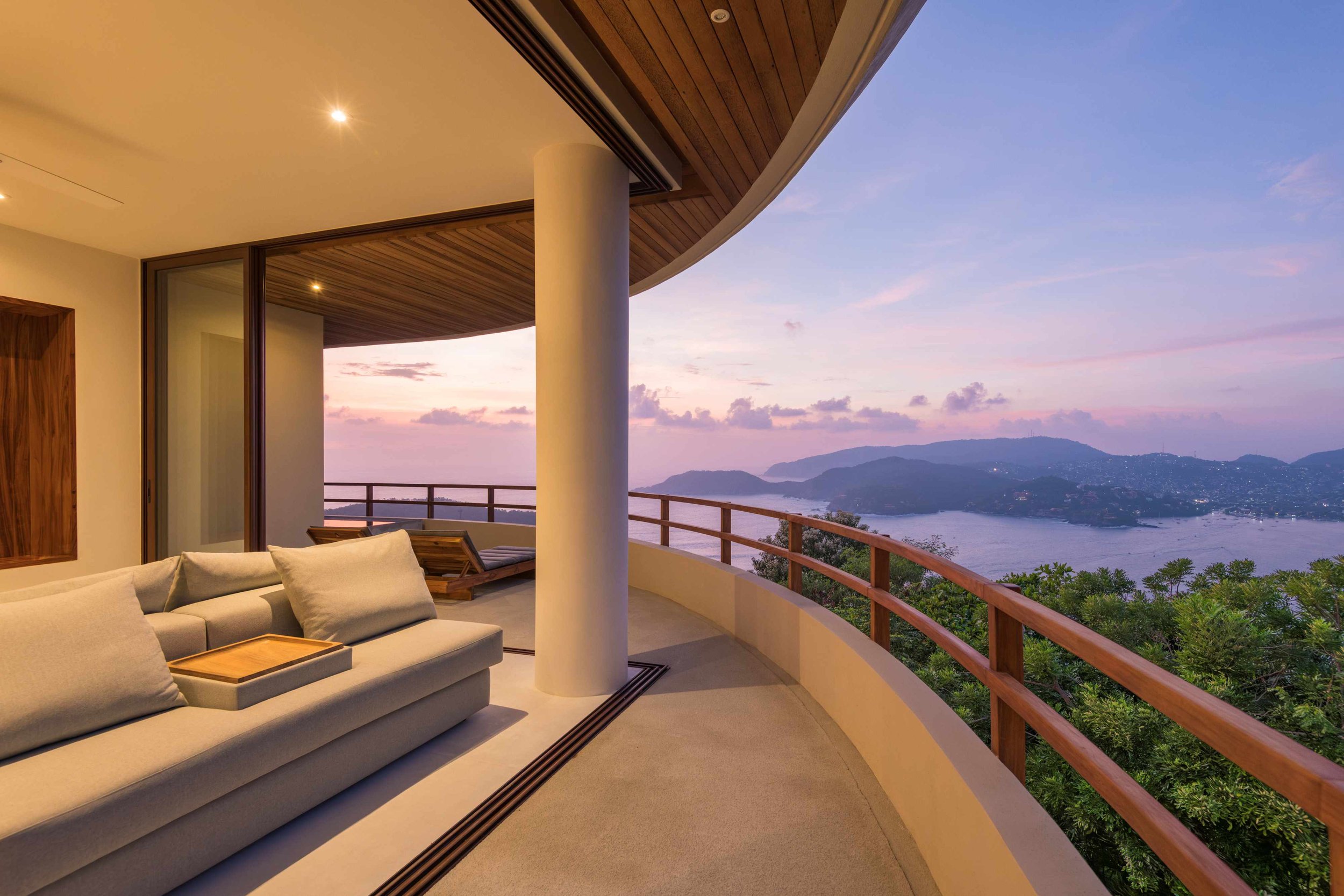
A home with a true sense of place brings together architecture, landscape, comfort and the rhythms of coastal living, creating an experience that feels naturally connected to Zihuatanejo.
Zihuatanejo has a character that cannot be reduced to a single architectural aesthetic.
Its appeal comes from a combination of coastal landscape, tropical climate, local culture, natural beauty and a pace of life that many people find especially rewarding.
A residence does not need to imitate its surroundings to belong here.
It needs to respond to them thoughtfully.
For buyers, recognizing this distinction can make the search more meaningful.
Instead of focusing exclusively on finishes, square meters or the size of an ocean view, consider how the property will feel throughout the day and across different seasons.
Consider whether the architecture supports the lifestyle you want.
And consider whether the residence feels naturally connected to the place that attracted you to Zihuatanejo in the first place.
“A home that truly belongs in Zihuatanejo does more than offer a view of the coast. It creates a way of living that feels connected to it.”
Explore Homes with a Sense of Place
At Mar de Palma, we believe a property should be evaluated not only for its architecture, location or views, but also for how naturally it supports the experience of living in Zihuatanejo.
Our curated selection of residences reflects different expressions of coastal living, from established homes with mature tropical surroundings to contemporary properties thoughtfully designed around the landscape.
Explore our selected properties and discover residences that offer more than a beautiful address.
About the Author
Andres Gurumeta is a Cross-Border Real Estate & Development Advisor with more than 20 years of experience across hospitality, resort operations, residential development and real estate sales.
Through AGC Consulting and Mar de Palma, he advises buyers, investors, developers and ownership groups evaluating real estate opportunities between Mexico, Canada and the United States.
Written by Andres Gurumeta
Cross-Border Real Estate & Development Advisor
Founder, AGC Consulting | Co-Founder, Mar de Palma
