
Ocean View or Beachfront? Choosing the Right Coastal Property

The relationship between a property and the ocean can shape daily life, from privacy and beach access to maintenance, views and the way a home is used over time.
The ocean can be the reason a buyer first falls in love with a property. Yet the way a home relates to the sea can shape daily life in ways that are not immediately obvious during a viewing.
A residence directly on the beach and a home positioned above the coastline may both offer extraordinary coastal experiences, but they do not necessarily offer the same lifestyle.
One may place the sand just steps from your door. The other may provide an elevated perspective, a different sense of privacy or a stronger connection with the surrounding landscape.
The question is not simply which location is more desirable.
It is which relationship with the ocean fits the way you want to live.
The Ocean Is Not the Same Experience from Every Property
Coastal properties are often described through their views or proximity to the water, but those descriptions tell only part of the story.
A beachfront home may allow you to hear the waves from your terrace and walk directly onto the sand. An elevated residence may offer a sweeping view of the bay, surrounding hills and changing light throughout the day.
Both experiences can be compelling.
The differences become more meaningful when you consider how often you intend to use the property, what your daily routine might look like and which aspects of coastal living matter most to you.
For some buyers, immediate access to the beach is essential. For others, the ability to enjoy the ocean from a quiet terrace, with greater separation from the activity below, may be more important.
Beach Access Changes the Daily Routine
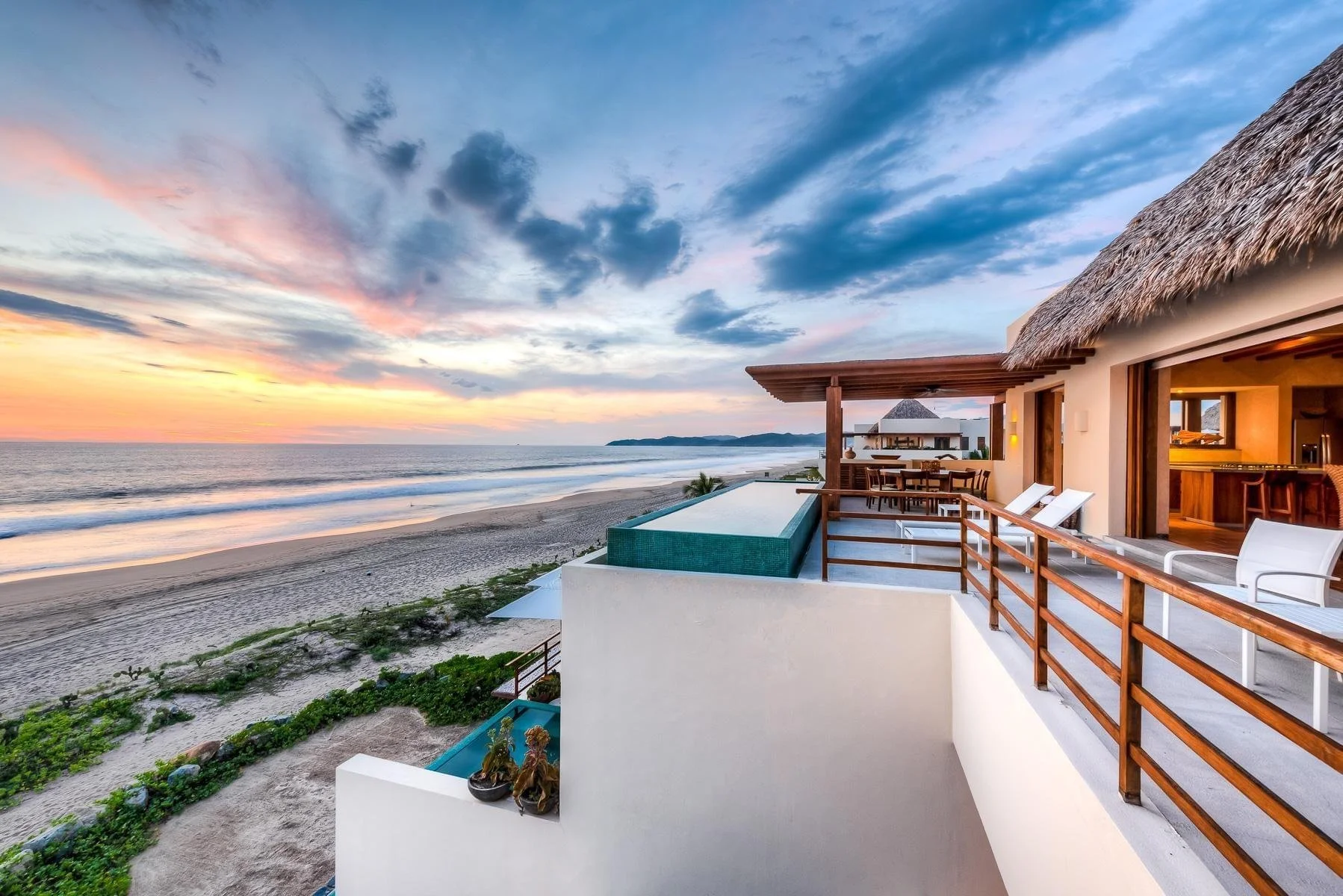
Direct or convenient beach access can make swimming, walking and time by the ocean a natural part of everyday life.
Living directly beside the beach can make the ocean part of your everyday routine.
A morning swim may require little planning. Walking along the sand can become a regular activity rather than a special outing. Children or guests may enjoy the freedom of moving easily between the home and the beach.
That convenience can be especially valuable for buyers who expect to spend much of their time near the water.
However, it is important to understand what “beachfront” actually means for a particular property.
Does the residence have direct access to the sand? Is there a shared pathway? Are there stairs, a change in elevation or a public access route? How does the beach change with the seasons, tides or surf conditions?
The answers can vary considerably from one property to another.
A beachfront address does not automatically guarantee the same experience of access, privacy or usability.
An Elevated View Offers a Different Perspective
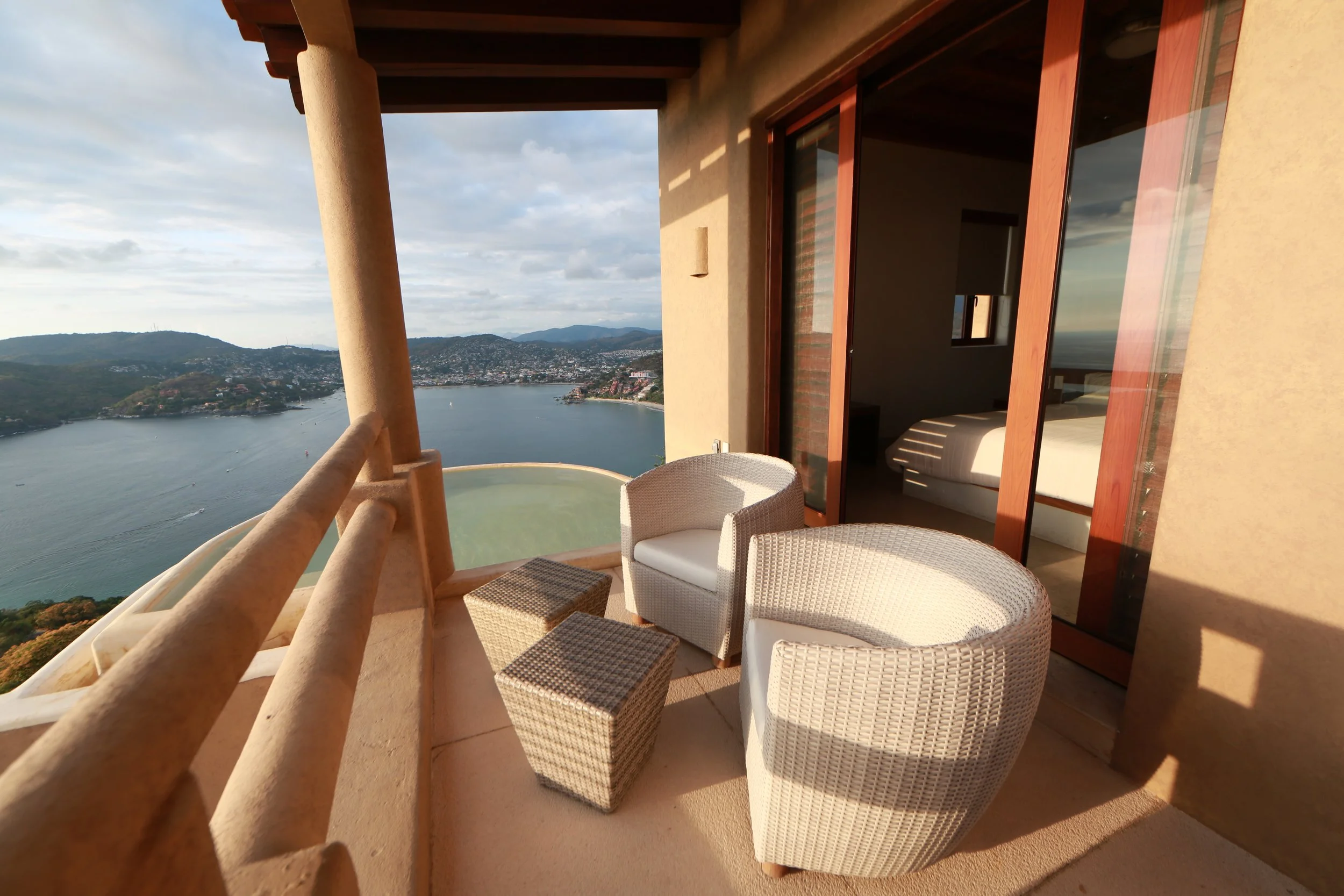
Elevated residences can offer a different relationship with the coastline, where broad views, landscape and privacy become part of the living experience.
A hillside or elevated coastal residence can offer a very different relationship with the ocean.
Instead of being directly beside the water, the home may look across the bay, coastline or surrounding landscape. The view can become part of the architecture, visible from living spaces, terraces and bedrooms.
Elevation may also create opportunities for privacy, separation between neighboring properties and a greater sense of retreat.
But these qualities depend on the specific site and design.
An elevated property is not automatically more private, just as a beachfront property is not automatically more exposed. Orientation, neighboring construction, vegetation, access roads and the layout of the residence all influence the experience.
This is why understanding the character of the surrounding area matters as much as the view itself. Our guide to How to Choose the Right Area to Live in Zihuatanejo explores how different locations can support different lifestyles.
Consider the Journey Between Home and Beach

The distance between a home and the beach is only part of the equation. Terrain, stairs, roads and accessibility can influence how often the journey becomes part of daily life.
One of the most practical questions is also one of the easiest to overlook.
How do you actually get from the home to the beach?
For a property positioned above the coastline, the journey may involve a short drive, a walk, stairs or a steep road. Some communities provide convenient access or transportation, while others require more planning.
A beautiful view may make the distance feel insignificant during a short visit. Over a longer stay, the same journey becomes part of your routine.
Consider how often you expect to go to the beach and who will be using the property.
A buyer who enjoys driving to different beaches may have no concern about living farther from the sand. Someone who wants to swim every morning or walk to the beach with young children may place much greater value on immediate access.
Accessibility can also become important for older family members, guests or anyone with mobility considerations.
The goal is not to eliminate every inconvenience. It is to understand which ones you are comfortable living with.
Climate and Maintenance Deserve Attention
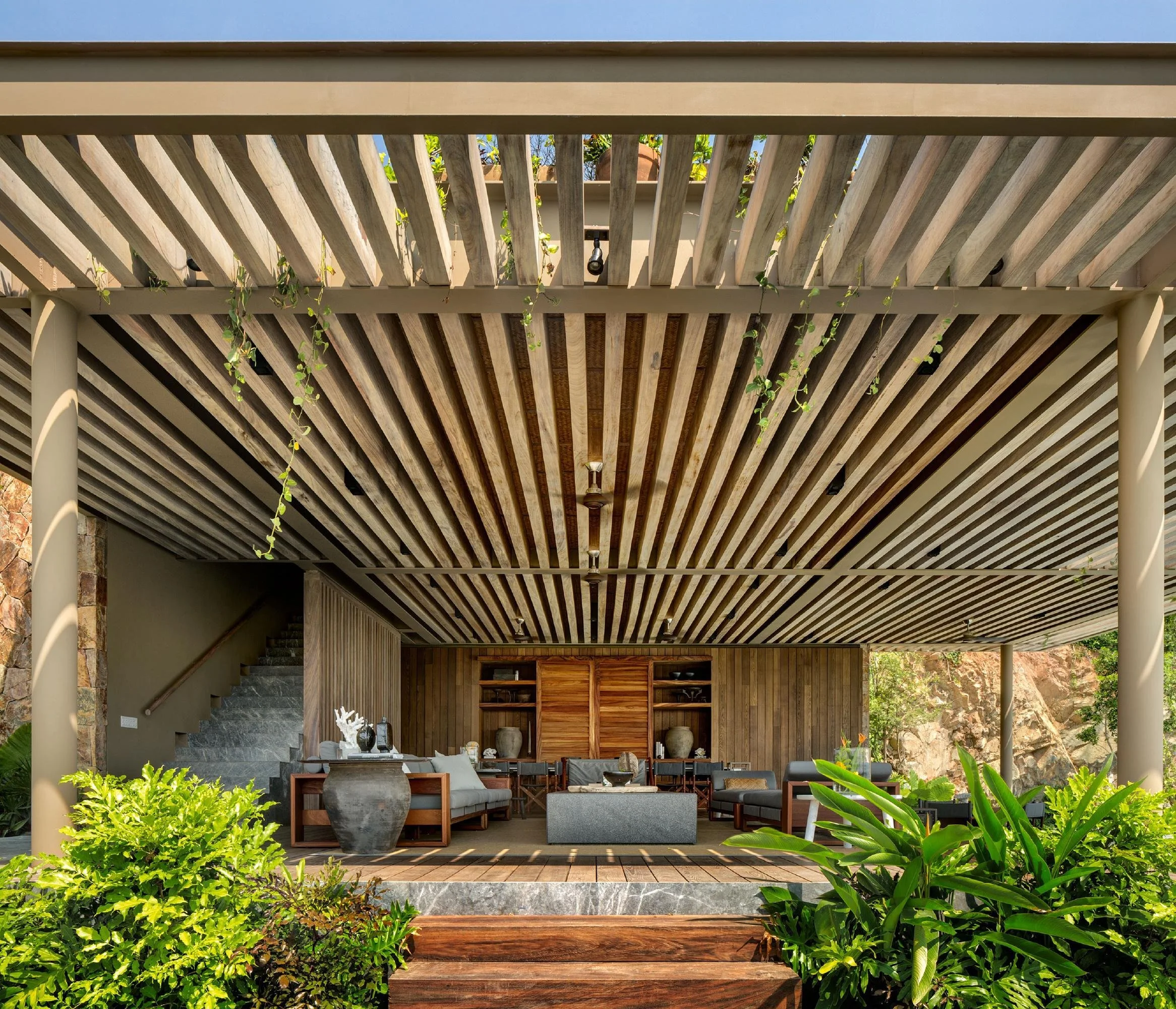
Thoughtful design, appropriate materials and ongoing maintenance help a coastal property respond to sun, humidity, wind and the marine environment.
Coastal environments place particular demands on buildings.
Salt air, humidity, intense sun, wind and seasonal rainfall can affect materials, finishes, mechanical systems and maintenance requirements.
A property directly exposed to the marine environment may experience different conditions from a residence farther inland or positioned above the coastline. However, distance from the beach alone does not determine maintenance needs.
Construction quality, material selection, orientation, ventilation, drainage and ongoing care can be just as important.
Buyers should look beyond the appearance of finishes and ask how the property has been designed and maintained for its specific environment.
For a new development, this includes understanding the planning, infrastructure and long-term operation of the community. Our article What to Look for in a Well-Planned Coastal Development examines these considerations in greater detail.
For an existing home, a qualified inspection and appropriate professional advice can help identify issues that may not be visible during an initial viewing.
Privacy, Activity and the Surrounding Environment

Privacy and atmosphere depend on the specific surroundings, including neighboring properties, beach activity, access routes and the character of the area.
The atmosphere surrounding a coastal property can change throughout the day and year.
Some beachfront locations are quiet and secluded. Others may be close to restaurants, beach clubs, public access points or areas with considerable activity.
An elevated residence may offer more separation from that activity, but it may also be affected by nearby roads, construction or neighboring properties.
Neither setting should be judged solely by its category.
The important thing is to understand the actual environment.
What can you hear from the terrace? How visible are neighboring homes? Does the beach become busier during holidays? Is there evening activity nearby? Are there future developments that could change the surroundings?
These questions help turn an attractive location into a more complete understanding of how the property may feel over time.
Visit at Different Times of Day

Visiting at different times of day can help buyers understand how light, shade, airflow and surrounding activity influence the experience of a property.
A property can feel remarkably different depending on when you visit.
Morning light may reveal one aspect of the view, while the afternoon sun changes how a terrace is used. Wind patterns, shade, traffic and activity around the beach can also vary.
Whenever possible, visit a property at more than one time of day.
Spend time in the spaces where you expect to live, not only the areas that photograph well.
Sit on the terrace. Open the windows. Notice the light, airflow and surrounding sounds. Consider how the outdoor spaces function during the hours when you would actually use them.
If the property is part of a community, take time to understand the shared areas, access routes and surrounding neighborhood as well.
A second visit can sometimes reveal more than the first.
Which Experience Fits Your Second Home?
The distinction between ocean view and beachfront becomes especially relevant when a property is intended for longer stays.
A vacation may be built around the beach, restaurants and activities. A second home eventually develops routines that extend beyond those experiences.
Perhaps you want to walk to the water every morning. Perhaps you prefer a quiet terrace where you can work, read or spend an afternoon without leaving home.
You may value the convenience of a managed condominium, the privacy of a standalone residence or the ability to explore different beaches rather than live beside only one.
These priorities can change the way you evaluate location.
As we discussed in Vacation Property or Second Home? Why the Difference Matters, a property that works beautifully for a short vacation does not automatically offer everything needed for longer periods of living.
The most useful question is often not what you would enjoy during your first few days, but how the property would support an ordinary week.
Choosing the Right Relationship with the Coast

The right coastal property is not necessarily the closest to the ocean, but the one whose location, access and surroundings best support the way you want to live.
There is no universal answer to whether an ocean view or beachfront location is better.
A beachfront residence can offer an immediate connection with the sand and water. An elevated home can provide a different perspective on the coastline and a sense of separation from the activity below.
Both can be exceptional. Both can also involve practical compromises.
The right choice depends on the specific property, its surroundings and the way you intend to use it.
Before focusing on a particular view or address, consider how you want your days to unfold. Think about access, privacy, maintenance, family, mobility and the amount of time you expect to spend at home.
The ocean may be what first captures your attention.
But the way a property fits your life is what can make it the right place to return to.
The best relationship with the ocean is not necessarily the closest one. It is the one that fits the way you want to live.
Explore Independent Property Search
Choosing between an ocean view and a beachfront location is only one part of finding the right coastal home.
Mar de Palma's Independent Property Search helps qualified buyers explore opportunities across the Zihuatanejo market based on their lifestyle, priorities and intended use.
About the Author
Andres Gurumeta is a Cross-Border Real Estate & Development Advisor with more than 20 years of experience across residential development, resort operations, real estate sales and hospitality. Through Mar de Palma, he advises buyers navigating property opportunities in Zihuatanejo and Mexico's Pacific coast with an emphasis on informed decision-making, local knowledge and long-term perspective.
