
The Difference Between Buying a Vacation Property and Choosing a Second Home
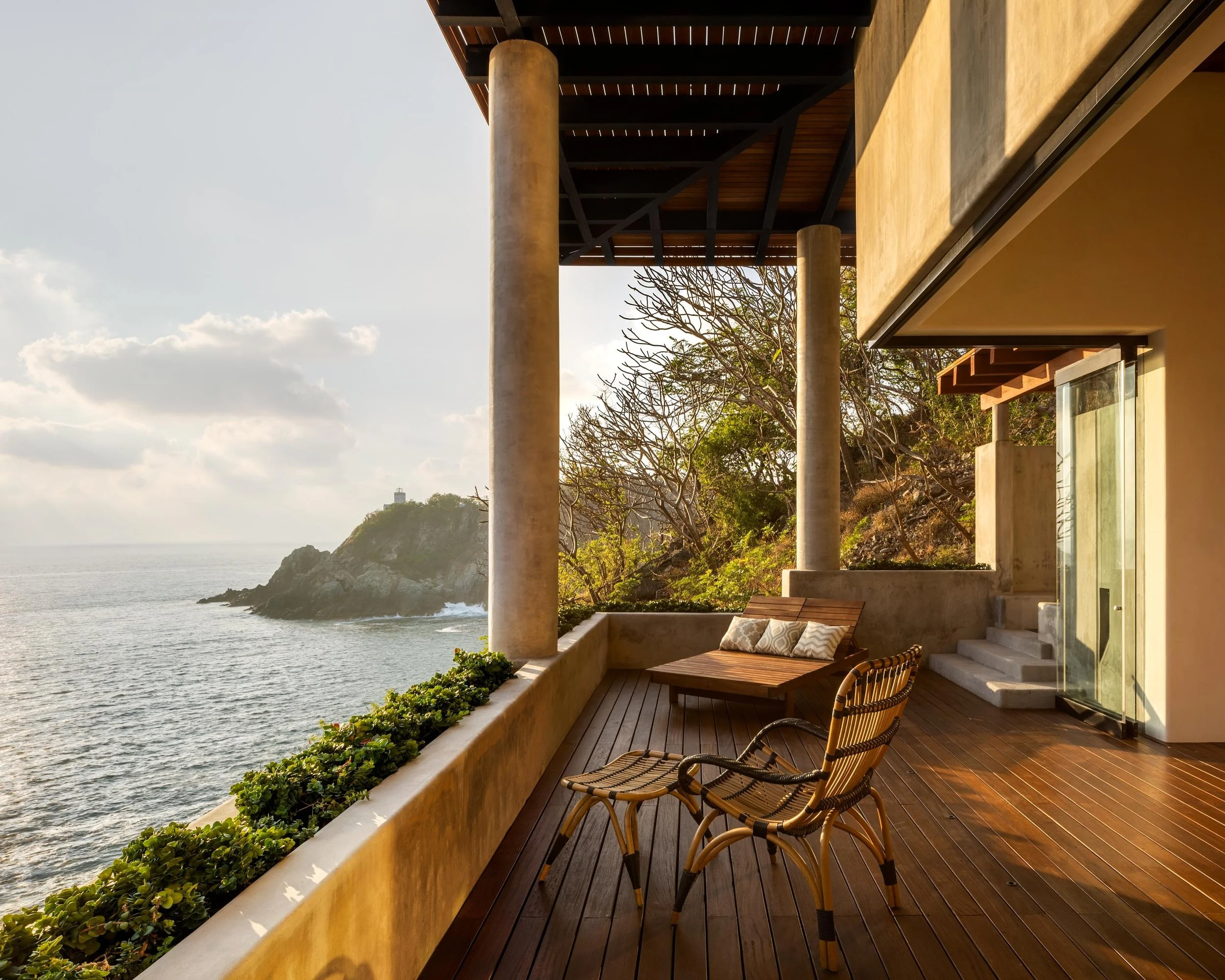
A second home is more than a place to visit. The way a property functions during longer stays can matter just as much as its views, location or vacation appeal.
A beautiful view, easy access to the beach and a place to relax may be exactly what you want from a vacation property.
But when occasional visits begin turning into longer stays, the way you experience a home starts to change.
Details that seem relatively unimportant during a few days away can become part of everyday life. Storage matters. Connectivity matters. Maintenance matters. The kitchen gets used differently. The surrounding area becomes part of your routine rather than simply somewhere you explore on vacation.
A property that works beautifully for a vacation does not automatically make a great second home.
Understanding that difference can help buyers look beyond the initial appeal of a property and think more carefully about the life they hope to create there.
Think in Weeks, Not Weekends
A long weekend is remarkably forgiving.
You can eat out for most meals, live out of a suitcase and overlook small inconveniences because your stay is temporary.
Spend several weeks in the same property and your priorities may begin to change.
You start using the kitchen more often. Laundry becomes part of the routine. You may want a quiet place to work or read. Groceries need somewhere to go. Beach equipment, personal belongings and clothes need storage.
None of these considerations are particularly glamorous, but together they can make the difference between a property that is enjoyable to visit and one that feels comfortable enough to return to for longer periods.
Everyday Life Starts to Matter
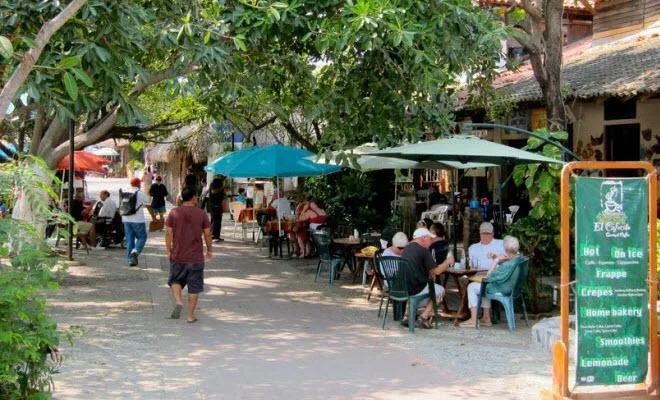
Longer stays introduce a different relationship with Zihuatanejo, where everyday routines gradually become part of the experience of living here.
Location also feels different when you stop experiencing a destination exclusively as a visitor.
A vacation might revolve around the beach, restaurants and activities. A longer stay begins to include grocery shopping, errands, exercise, appointments and ordinary days at home.
The question is no longer simply how close a property is to the ocean.
It becomes how easily the surrounding area supports the way you actually want to live.
This is one reason How to Choose the Right Area to Live in Zihuatanejo can be useful before focusing on individual properties. Playa La Ropa, Cerro del Vigía, central Zihuatanejo, Ixtapa and the coastline extending toward Playa Larga and Playa Blanca can offer very different daily experiences.
There is no universally correct choice. The important question is which environment fits your routine.
Space Works Differently During Longer Stays
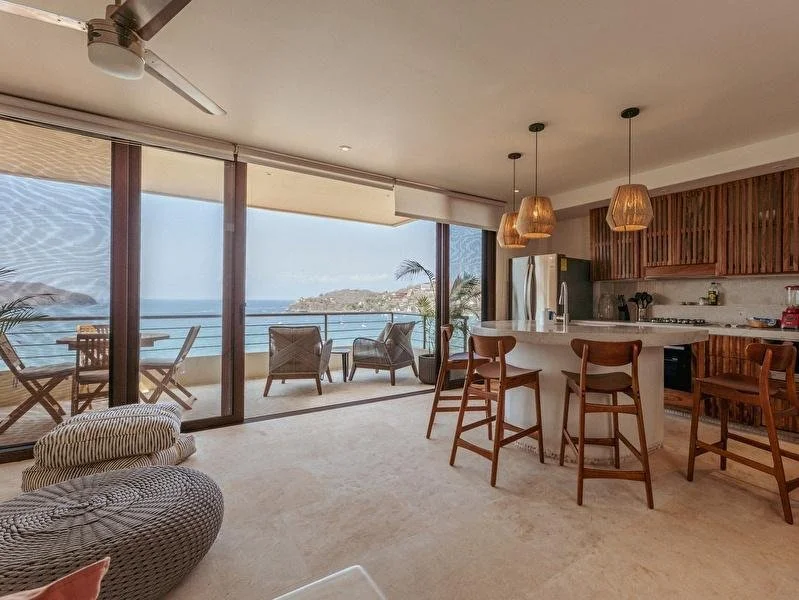
During longer stays, practical spaces such as kitchens, storage, work areas and comfortable living spaces become increasingly important.
Square footage alone does not tell you whether a home will function well.
How that space is organized often matters more.
A guest bedroom that seems unnecessary during a couple's vacation may become valuable when family visits. A generous terrace may effectively become another living room. A small workspace can make longer stays possible for someone who still needs to remain connected professionally.
Storage becomes particularly important in a second home.
Being able to leave clothes, personal items or recreational equipment behind can change the experience of returning. Instead of repeatedly arriving as a visitor with luggage, you begin arriving at a place where part of your life already exists.
That subtle difference is one of the things that can make a second home begin to feel genuinely yours.
The Lock-and-Leave Question
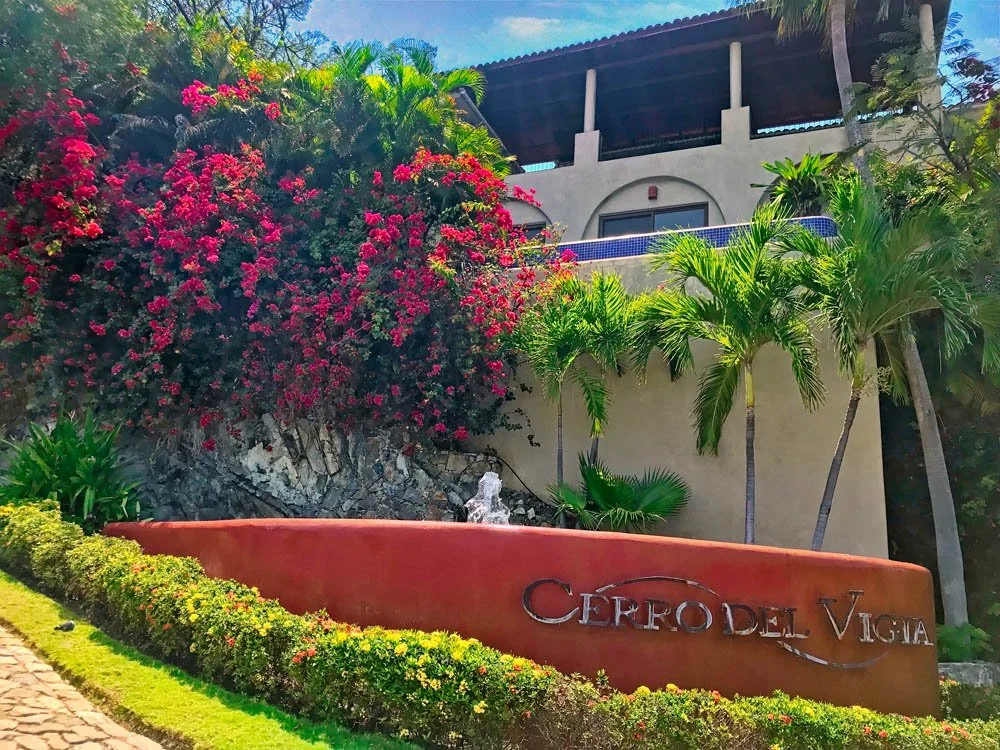
For second-home owners who spend extended periods away, maintenance, security and reliable local support become part of the ownership experience.
One of the most important questions about a second home appears when you are not there.
What happens to the property after you leave?
For owners who may spend weeks or months away, security, maintenance, landscaping, administration and access to reliable local support can become significant considerations.
Some buyers prefer a managed residential community where many of these responsibilities are coordinated. Others value the independence and privacy of a standalone home and are comfortable arranging their own property management.
Neither approach is inherently better.
What matters is understanding how much involvement the property will require while you are away and whether that fits the ownership experience you want.
This is also where the quality and operation of the surrounding community can become important. Our perspective on What to Look for in a Well-Planned Coastal Development explores some of those considerations in greater depth.
Amenities You Visit vs. Amenities You Live With

The most valuable amenities are often those that naturally become part of an owner's everyday routine.
A vacation can make almost any amenity feel exciting.
A second home provides enough time to discover which ones you actually use.
Perhaps the pool becomes part of your morning routine. Maybe access to a beach club matters more than expected. A gym could eliminate the need to drive elsewhere. Or you may discover that privacy, outdoor space and a comfortable terrace matter considerably more to you than a long list of shared amenities.
There is also a practical side.
Shared amenities require maintenance and contribute to the operating costs of a community. Buyers should therefore consider not only whether an amenity looks appealing, but whether it contributes meaningfully to the way they expect to live.
Consider Who Else Will Use the Home
A second home is rarely experienced by only one person forever.
Partners may have different priorities. Children grow older. Friends visit. Parents or grandchildren may eventually spend time there.
A property that works perfectly for two people may feel very different when six arrive.
Privacy between bedrooms, stairs, accessibility, outdoor spaces and the relationship between common and private areas can all become more relevant when a home is shared across generations.
This does not mean buying for every possible future scenario.
It simply means considering the people who are realistically likely to become part of life in the property.
Rental Potential May Change the Equation
Some second-home owners choose to rent their property when they are not using it.
If that is part of the plan, the evaluation becomes slightly different.
Location, property management, owner storage, community rules, maintenance and the practicalities of preparing the residence between personal and rental use may all become relevant.
Rental potential should therefore be considered as part of the broader ownership strategy rather than as an isolated feature of the property.
Before purchasing, buyers should also understand the applicable ownership structure, regulations, costs and responsibilities. Our Buying Property in Mexico guide provides a useful starting point for understanding the broader purchase process.
Your Relationship with the Destination Changes
Perhaps the most interesting difference between vacationing somewhere and owning a second home has little to do with the property itself.
Your relationship with the destination begins to change.
You find the grocery store you prefer. You discover where you like to have coffee. You recognize people. You develop favorite restaurants that have nothing to do with a vacation itinerary.
Some days you may not go to the beach at all.
And that is precisely the point.
A destination begins to become another place where you live, rather than simply somewhere you visit.
For many second-home owners, that familiarity eventually becomes as meaningful as the view that attracted them in the first place.
Imagine Your Third Week, Not Your Third Day
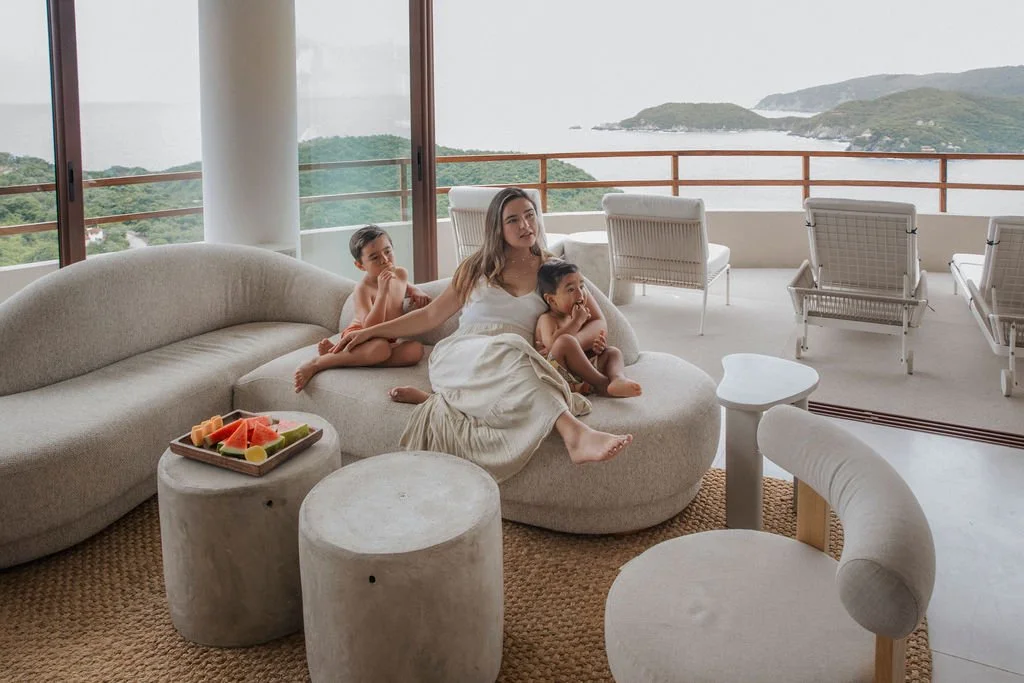
Imagining an ordinary day several weeks into a stay can reveal more about a potential second home than imagining another perfect vacation.
When evaluating a potential second home, it is easy to picture the first few days.
The doors are open. The ocean is in front of you. Friends may be visiting. Everything feels new.
Try imagining something different.
Imagine an ordinary Tuesday during your third week.
You wake up without an itinerary. Perhaps you need to work for a few hours. You make lunch at home. You run an errand. You spend part of the afternoon reading or exercising. Maybe you meet friends for dinner, or perhaps you simply stay home.
Does the property still work?
Does the location still feel right?
Does the home support that day comfortably?
Imagine your third week in the home, not your third day.
That simple exercise can reveal more about the suitability of a second home than imagining another perfect vacation.
Choosing a Home Around the Life You Want
There is no single definition of the ideal second home.
For one buyer, it may be a condominium where everything can be locked and left with minimal concern. For another, it may be a private hillside residence surrounded by vegetation. Someone else may prioritize walking to the beach, while another buyer may gladly trade proximity for space, privacy or expansive ocean views.
The property should follow the lifestyle, not the other way around.
That is why a thoughtful property search often begins before individual listings are considered. Understanding how often you expect to visit, how long you intend to stay, who will use the home and what your ordinary days might look like creates a much clearer framework for evaluating opportunities.
From Visiting Zihuatanejo to Living Here
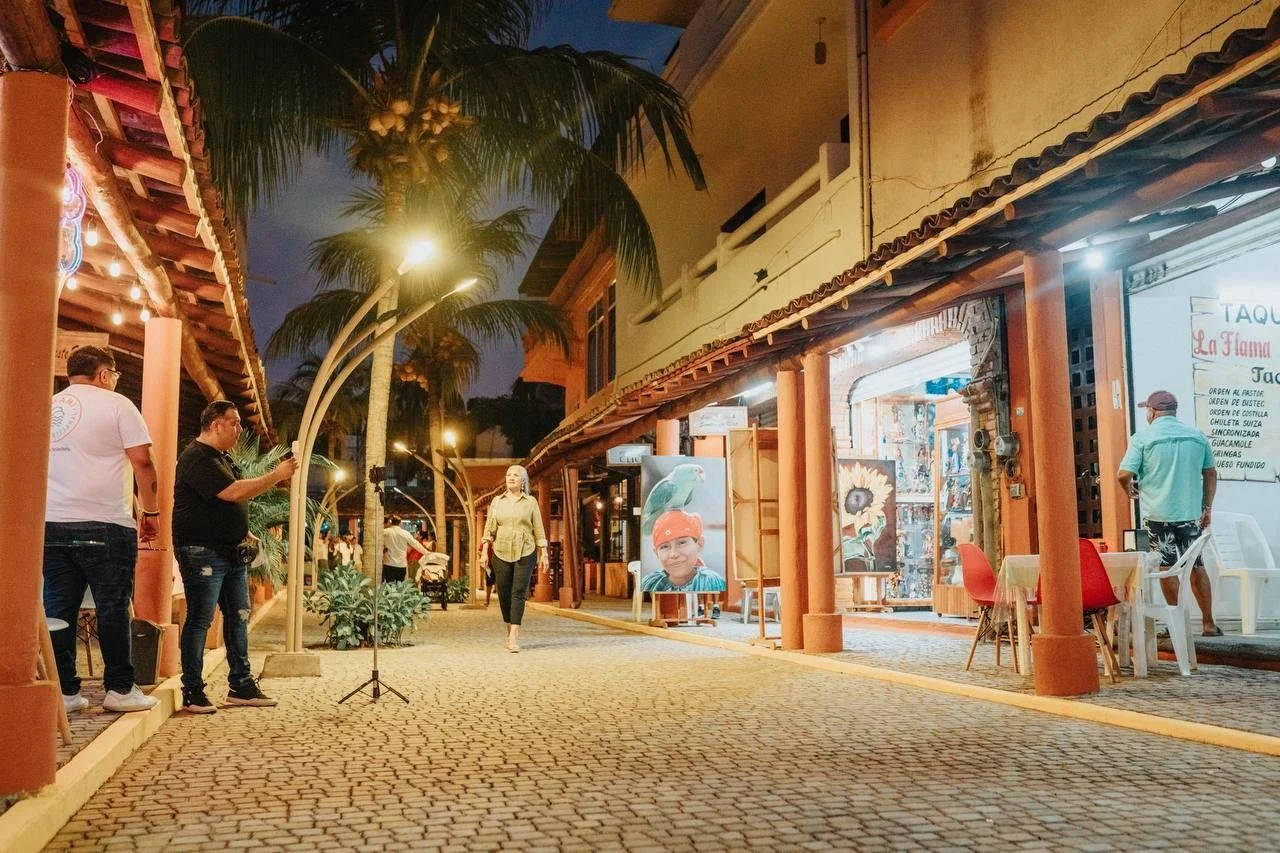
Over time, a second home can change the relationship with a destination, transforming familiar places, routines and people into part of everyday life.
The transition from vacation property to second home is ultimately a transition in perspective.
A vacation property is primarily evaluated around the experience of visiting.
A second home has to accommodate something broader: everyday life.
The ocean view may still matter enormously. So can the architecture, beach access and sense of escape that brought you to Zihuatanejo in the first place.
But over time, comfort often comes from quieter things.
Knowing where everything is.
Leaving belongings behind.
Having your routines.
Recognizing familiar faces.
And arriving without feeling quite so much like you have arrived somewhere else.
Explore Independent Property Search
Finding the right second home often begins with understanding how you want to live.
Mar de Palma's Independent Property Search helps qualified buyers explore opportunities across the Zihuatanejo market based on their priorities, lifestyle and intended use.
About the Author
Andres Gurumetais a Cross-Border Real Estate & Development Advisor with more than 20 years of experience across residential development, resort operations, real estate sales and hospitality. Through Mar de Palma, he advises buyers navigating property opportunities in Zihuatanejo and Mexico's Pacific coast with an emphasis on informed decision-making, local knowledge and long-term perspective.
