
What to Look for in a Well-Planned Coastal Development
Coastal developments are often introduced through their most visually compelling elements: architecture, ocean views, pools, landscaping and carefully produced renderings.
For a buyer, however, some of the most important qualities of a development are not always the ones that photograph best.
How a community responds to the land, how buildings are positioned, how infrastructure has been considered and how the property will be maintained can influence the experience of living there long after the initial impression has faded.
A well-planned coastal development begins with understanding the place before deciding what to build on it.
For buyers considering a second home, a full-time residence or a property within a new community, looking beyond the presentation can reveal a great deal about how thoughtfully a development has been conceived.
Start with the Land
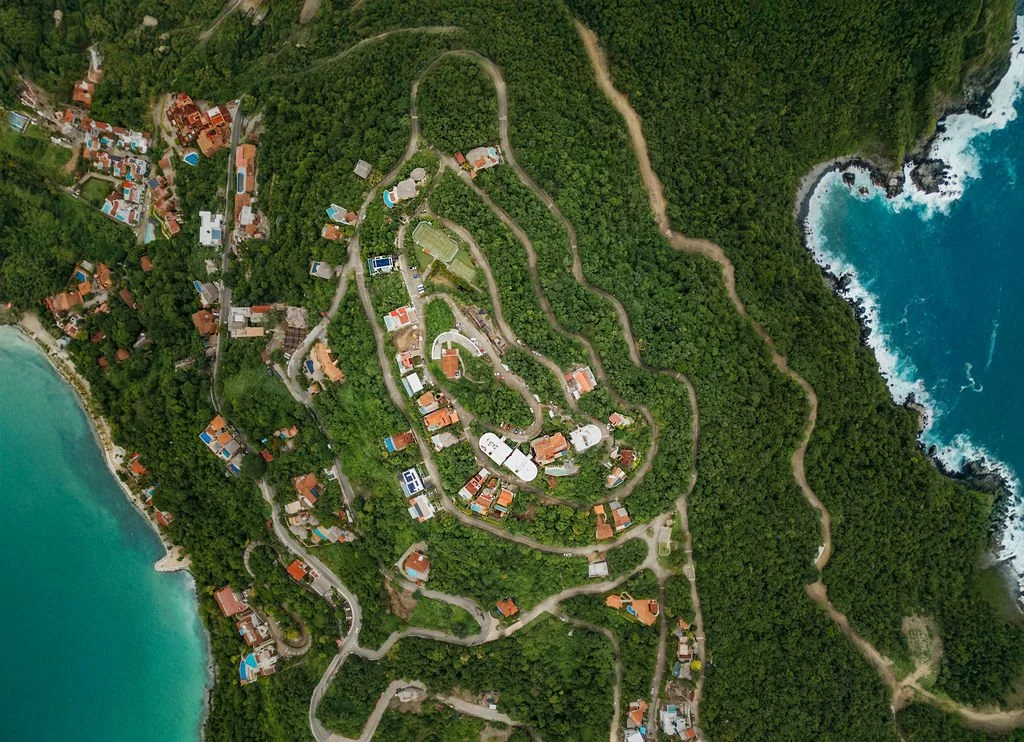
Topography, vegetation, access and orientation all influence how a coastal community ultimately takes shape.
Every coastal site has its own characteristics.
Topography, vegetation, prevailing winds, sun exposure, access and proximity to the ocean all influence what can be built and how a community may ultimately function.
Thoughtful planning begins by responding to those conditions rather than treating the land simply as a surface on which to place buildings.
On sloping terrain, for example, elevation can create remarkable views, but it can also influence roads, pedestrian access, drainage and the relationship between residences. On flatter coastal land, questions of shade, water management, vegetation and exposure may become more important.
For a buyer, understanding the site can provide valuable context for understanding the development itself.
How to Choose the Right Area to Live in Zihuatanejo can also help put these differences into perspective, because location affects much more than the view. It shapes everyday life.
Density Shapes Daily Life
Density is sometimes reduced to a simple question: how many residences are being built?
The more useful question is how that density has been organized.
Two developments with a similar number of homes can feel completely different depending on building placement, circulation, landscaping, shared spaces and the amount of separation between residences.
Density can affect privacy, views, traffic, noise, access to amenities and even the character of the community.
Lower density may provide more space and privacy, but it is not automatically better. A thoughtfully designed higher-density community can offer convenience, shared services and efficient operations.
The important point is whether the density makes sense for the land and for the lifestyle the development is intended to support.
Architecture Should Respond to Climate
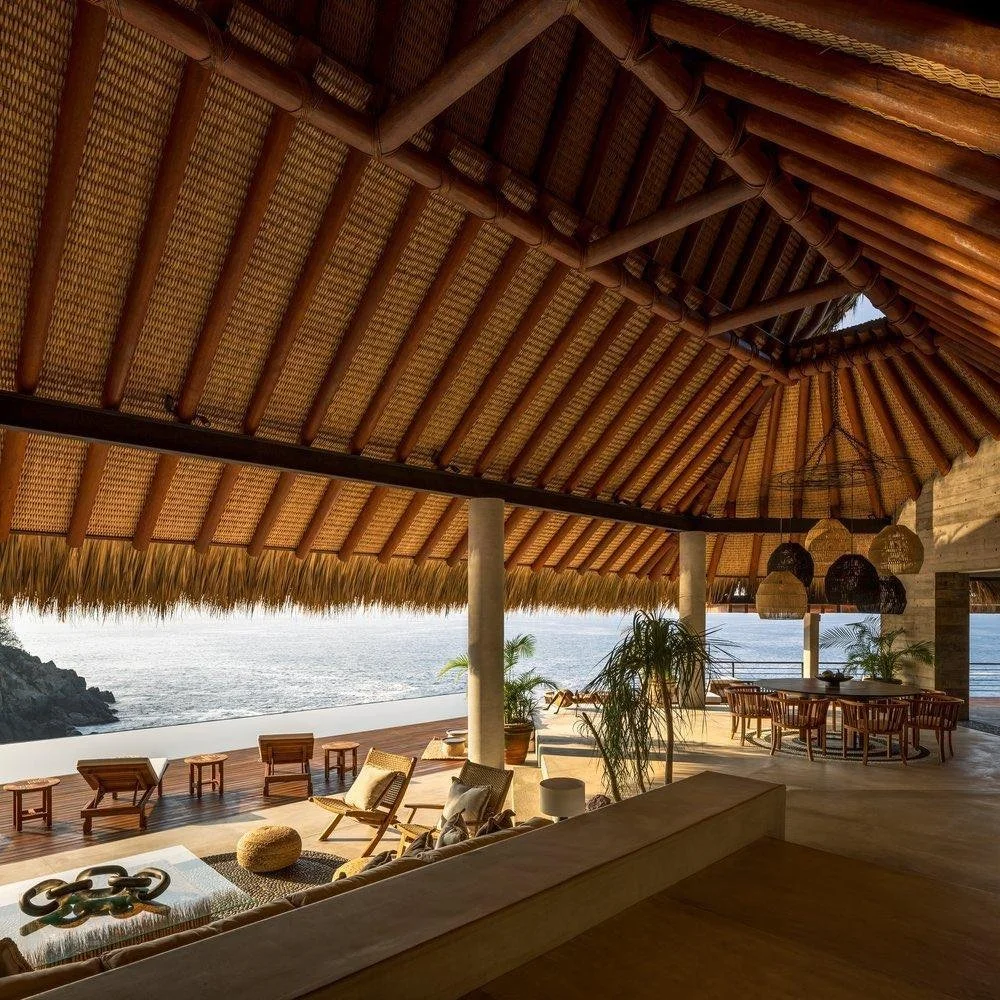
Coastal architecture can respond to climate through orientation, shade, ventilation and spaces designed for indoor-outdoor living.
Coastal architecture has to do more than look beautiful.
Sun exposure, heat, humidity, seasonal rain, prevailing breezes and salt air are all part of the environment.
Orientation can influence natural light and ventilation. Covered terraces can extend living areas outdoors while providing shade. Material choices can affect maintenance. Rooflines, drainage and landscaping can influence how a property performs during the rainy season.
These considerations are particularly important in destinations where indoor and outdoor living naturally overlap.
A residence that responds intelligently to its climate can feel comfortable in ways that are difficult to communicate through a floor plan alone.
Infrastructure Matters More Than It Photographs
Infrastructure rarely receives the same attention as an infinity pool or an ocean view, but it can have a much greater impact on ownership.
Water supply, electricity, drainage, wastewater management, road access, parking, internet and security are all part of the development experience.
For buyers evaluating a newer community, understanding what infrastructure already exists, what is planned and who is responsible for it can be just as important as reviewing finishes or amenities.
This becomes especially relevant when buying property in Mexico, where development structures, utilities and ownership considerations can vary from one location and project to another.
Good questions at this stage are not a sign of hesitation. They are part of informed ownership.
Amenities Should Have a Reason to Exist
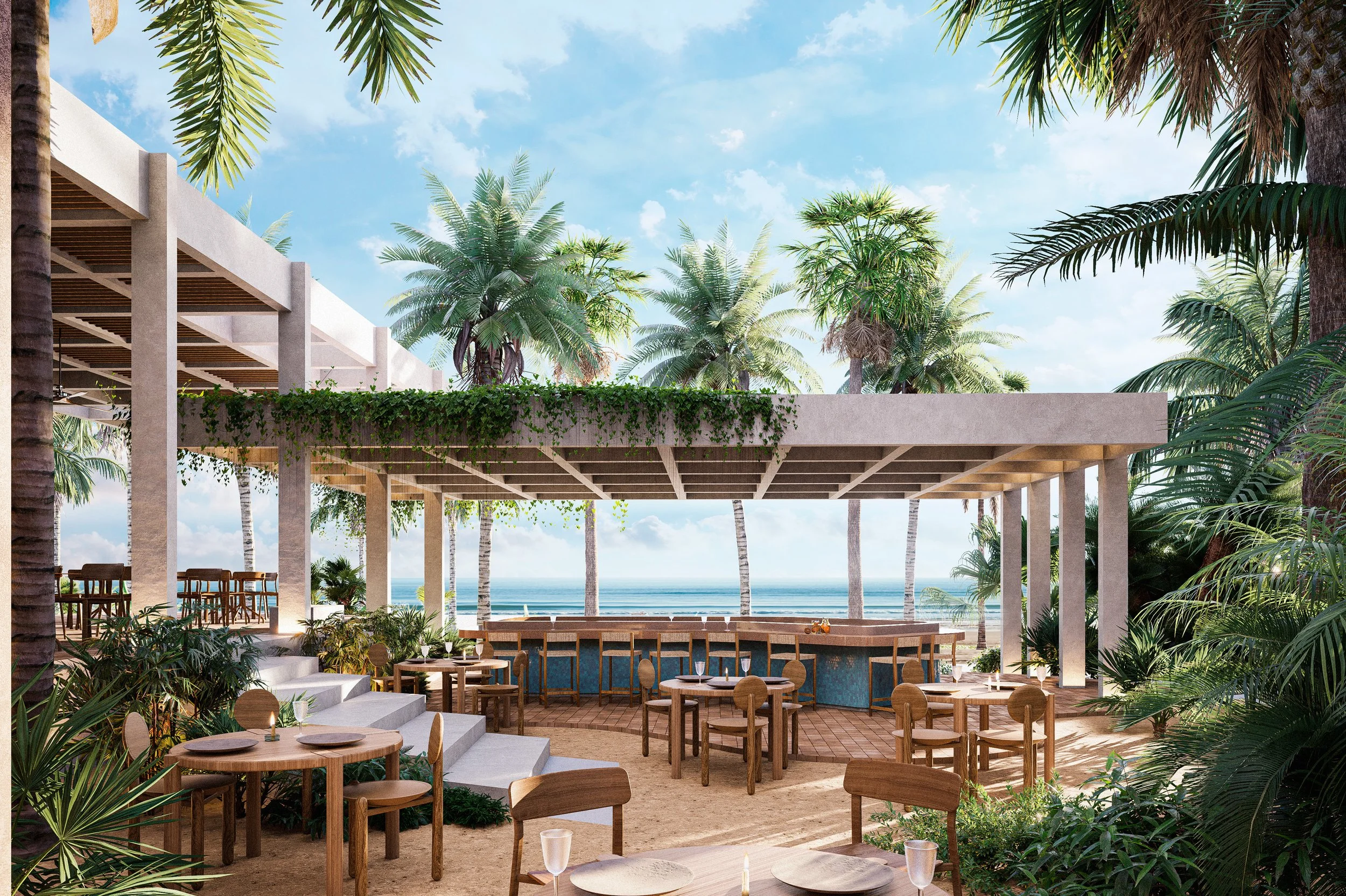
Well-planned amenities should contribute to everyday life while remaining practical to operate and maintain over time.
Amenity lists have become an important part of real estate marketing.
Pools, gyms, lounges, restaurants, wellness spaces, beach clubs and concierge services can certainly enhance a community. But more amenities do not necessarily create a better development.
A more useful evaluation considers whether the amenities match the number of residences, whether owners are likely to use them and what will be required to operate and maintain them over time.
An amenity is not only something a buyer gains access to. It is also something the community may eventually need to maintain.
Sometimes a smaller collection of well-designed, well-used spaces can contribute more to daily life than an extensive list created primarily for a sales presentation.
The number of amenities matters less than whether they improve the experience of living there.
Understand What Exists Today and What Comes Later
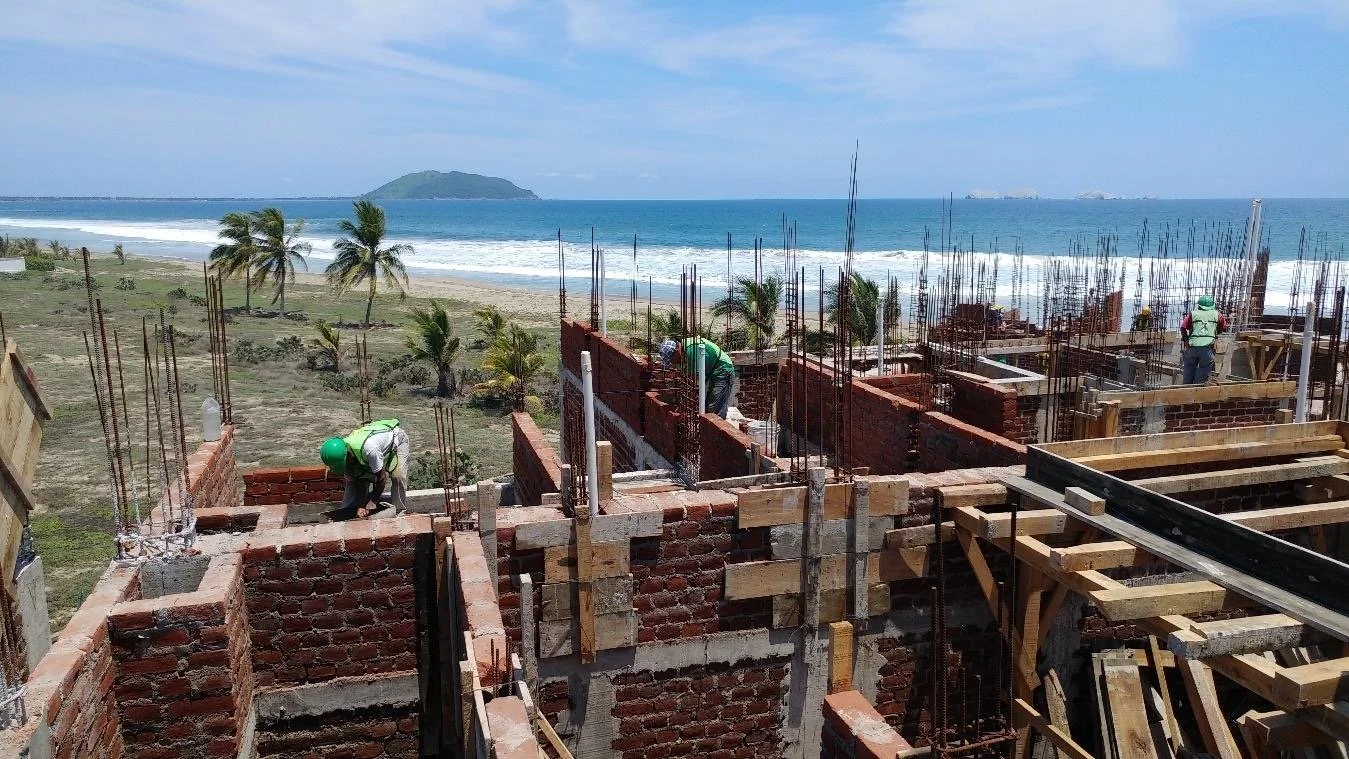
In a phased community, understanding what exists today and what is planned for later is an important part of evaluating the ownership experience.
When buying within a development that is still being built, it is important to distinguish between what exists today and what belongs to a future phase.
That does not make a phased development undesirable. Many successful communities are built gradually.
It simply changes the questions a buyer should ask.
Which infrastructure is already complete? Which amenities are operational? What will be delivered with the current phase? What depends on future construction? How could ongoing work affect access or daily life for early owners?
Renderings can help communicate a vision. Buyers should also understand the sequence required to turn that vision into a functioning community.
Think Beyond Delivery Day
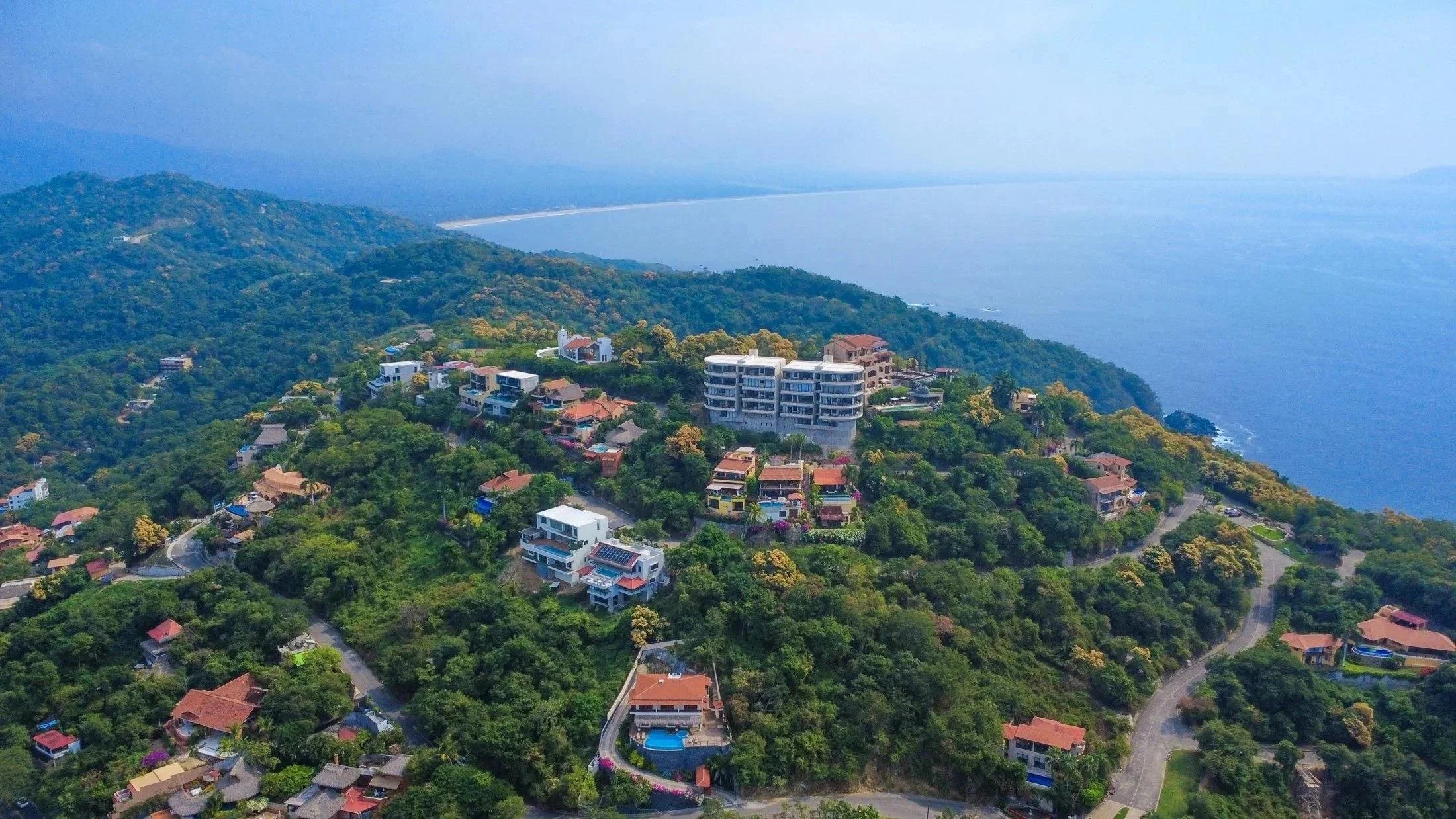
The long-term quality of a community depends not only on design, but also on maintenance, operations and how shared spaces evolve over time.
New developments are naturally presented at their most optimistic moment.
A different way to evaluate one is to imagine it five years after completion.
How will the landscaping mature? How will common areas be maintained? Will materials respond well to the coastal environment? Will circulation still work once the community is occupied? Will the amenities remain practical to operate?
These questions shift the conversation from what a development will look like when it opens to how it may function as a real place over time.
For someone purchasing a home rather than simply visiting a resort, that distinction matters.
Operations Are Part of the Experience
Architecture creates the physical environment. Operations influence what it feels like to live there.
Maintenance standards, administration, security, landscaping, common-area management and communication with owners can all affect the long-term experience of a residential community.
This is particularly important in coastal destinations, where properties may include a combination of full-time residents, second-home owners and rental activity.
Buyers should understand not only what will be built, but also how the community is expected to operate once people begin living there.
A well-designed development and a well-run development are related, but they are not necessarily the same thing.
A Good Development Should Feel Like It Belongs
Some of the most memorable coastal communities have a quality that is difficult to reduce to a specification sheet.
They feel connected to their surroundings.
Architecture responds to the terrain. Landscaping reflects the climate. Outdoor spaces take advantage of views and breezes. The scale of the buildings makes sense within the site.
Rather than competing with the destination, the development becomes part of it.
This can be particularly meaningful in places such as Zihuatanejo, where topography, tropical vegetation, beaches and established communities create very different settings within a relatively compact coastline.
For some buyers, being directly beside the ocean is fundamental. For others, elevation, privacy or a broader perspective may matter more.
Our perspective on Beachfront Property in Zihuatanejo explores that relationship between location and ownership in greater depth.
Evaluating a Coastal Development as a Buyer
There is no single formula for the ideal coastal development.
Different buyers value different things. Some prioritize privacy and low density. Others want services, amenities and the convenience of a managed community. Some prefer a completed property, while others are comfortable purchasing during an earlier stage of development.
The goal is not to find a project with the longest list of features.
It is to understand whether the decisions behind the development align with the way you expect to use the property.
That means considering the land, architecture, infrastructure, density, operations and future phases together rather than evaluating each one in isolation.
For buyers exploring new residential communities in Mexico, independent perspective can also help distinguish between the strength of a presentation and the fundamentals of the development itself.
A More Considered Approach to Coastal Living

The most considered coastal communities feel connected to their surroundings, allowing architecture, landscape and everyday life to become part of the same place.
The most compelling coastal developments are not necessarily those that try to create the most.
Often, they are the ones that make thoughtful decisions about what belongs on the land, how people will move through it and how the community will continue to function years into the future.
A beautiful view may begin the conversation.
Planning determines much of what happens afterward.
Explore Selected Developments
Discover residential developments represented by Mar de Palma and learn more about the different approaches to coastal living available in and around Zihuatanejo.
About the Author
Andres Gurumeta is a Cross-Border Real Estate & Development Advisor with more than 20 years of experience across residential development, resort operations, real estate sales and hospitality. Through Mar de Palma, he advises buyers navigating property opportunities in Zihuatanejo and Mexico's Pacific coast with an emphasis on informed decision-making, local knowledge and long-term perspective.
