
Beyond the View: What to Look for When Touring a Property in Zihuatanejo
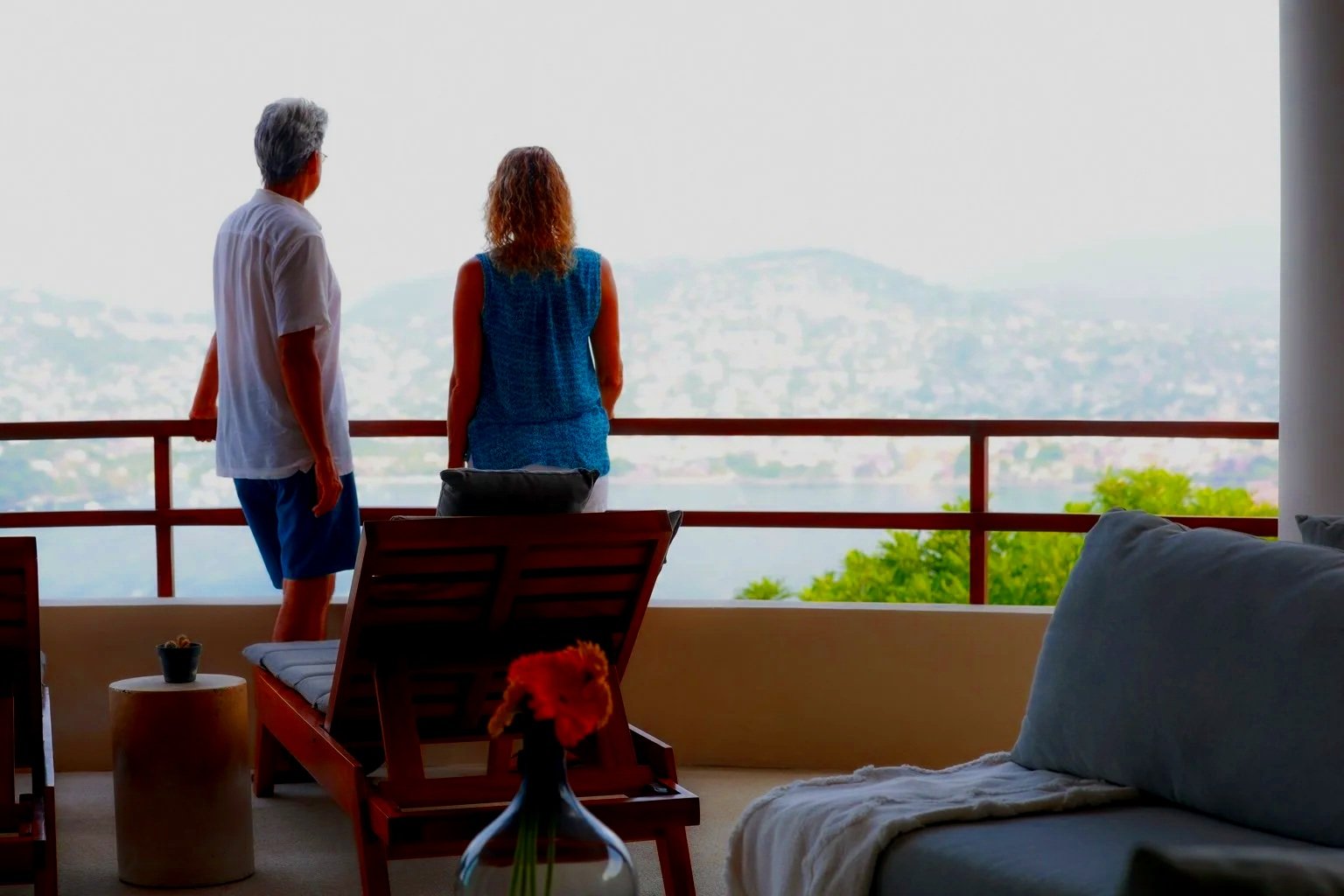
The view may capture your attention first, but a thoughtful property tour also considers orientation, privacy, accessibility, condition and how the home will function in everyday life.
An ocean view can dominate the first few minutes of a property tour in Zihuatanejo.
That is understandable. The relationship between the hills, the bay and the Pacific is one of the things that makes living here distinctive.
But once the initial impression settles, a different kind of observation should begin.
How does the light move through the home? Where does the afternoon sun fall? Is there natural airflow? How private is the terrace? How easy is the property to access? What will require maintenance? What happens when you leave for several months?
A property tour should help you understand how a home works, not simply how it looks.
And sometimes the details you notice after the view are the ones that tell you whether a property will truly fit your life.
Let Yourself Notice the First Impression
There is nothing wrong with falling in love with a view.
Emotion is part of buying a home, particularly when you are considering a place where you hope to spend vacations, winters or extended periods of the year.
Notice what attracts you when you first enter.
Maybe it is the ocean. Perhaps it is the architecture, the scale of the terrace, the vegetation or simply the feeling of the space.
Then give yourself a moment and begin looking again.
The first impression tells you how a property makes you feel.
The rest of the tour should help you understand why.
The view deserves your attention. It just shouldn't receive all of it.
Start with Orientation, Light and Shade
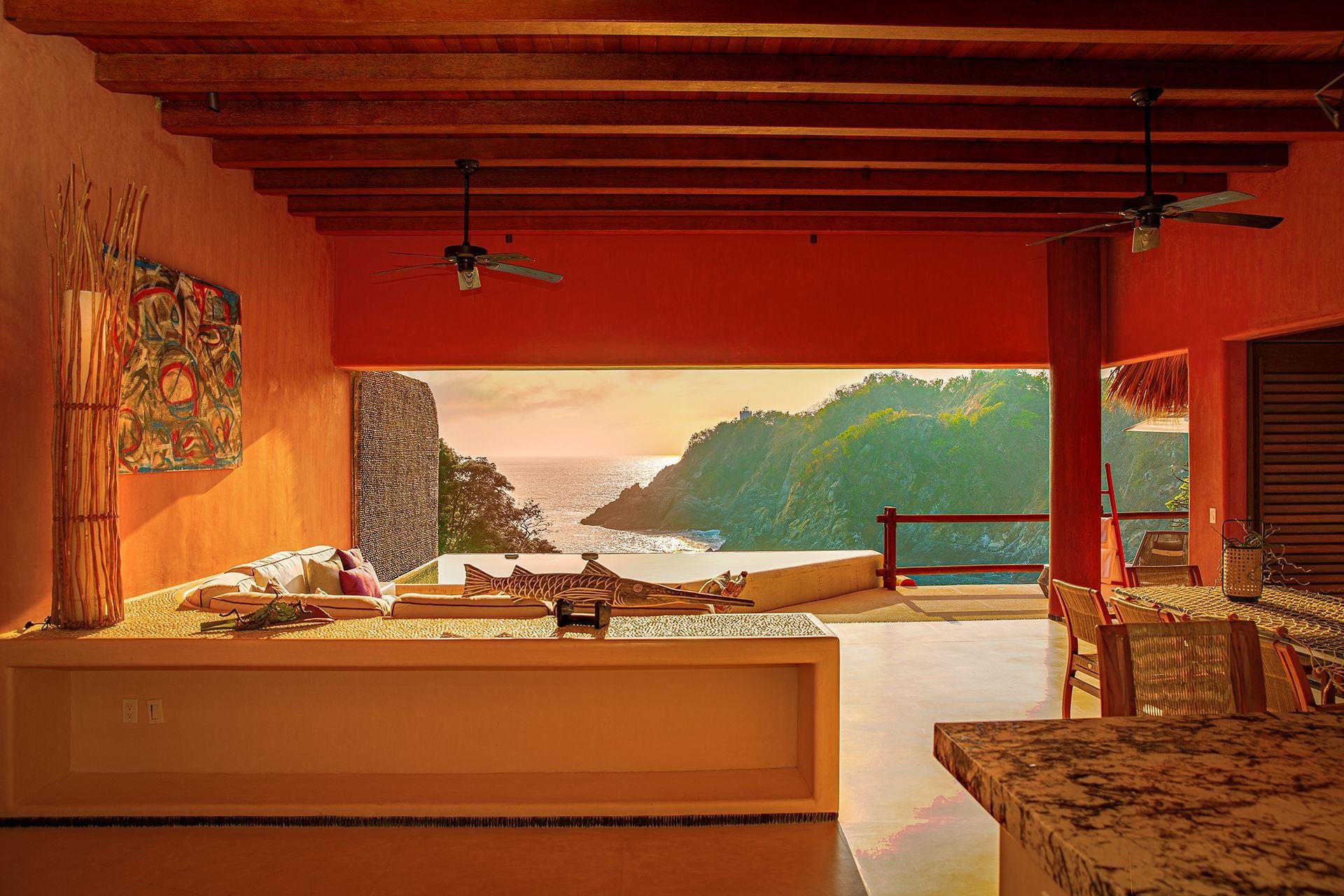
Orientation influences natural light, shade and how outdoor spaces feel throughout the day; important details to observe during a property tour.
One of the first things worth understanding is how the property is oriented.
A terrace that feels wonderfully shaded during a morning viewing may receive considerably more sun later in the day. Bedrooms may experience different light and heat depending on their orientation. Outdoor areas can also function very differently as the sun moves.
Look at where the main living spaces face.
Notice which areas receive direct sunlight and which remain protected. Ask how the terrace feels in the afternoon and how much natural light enters the interior throughout the day.
In a coastal environment, shade can be just as important as sunlight.
The goal is not to find a property with one supposedly perfect orientation. It is to understand how that particular orientation fits the hours when you expect to use the home.
Open the Doors and Windows
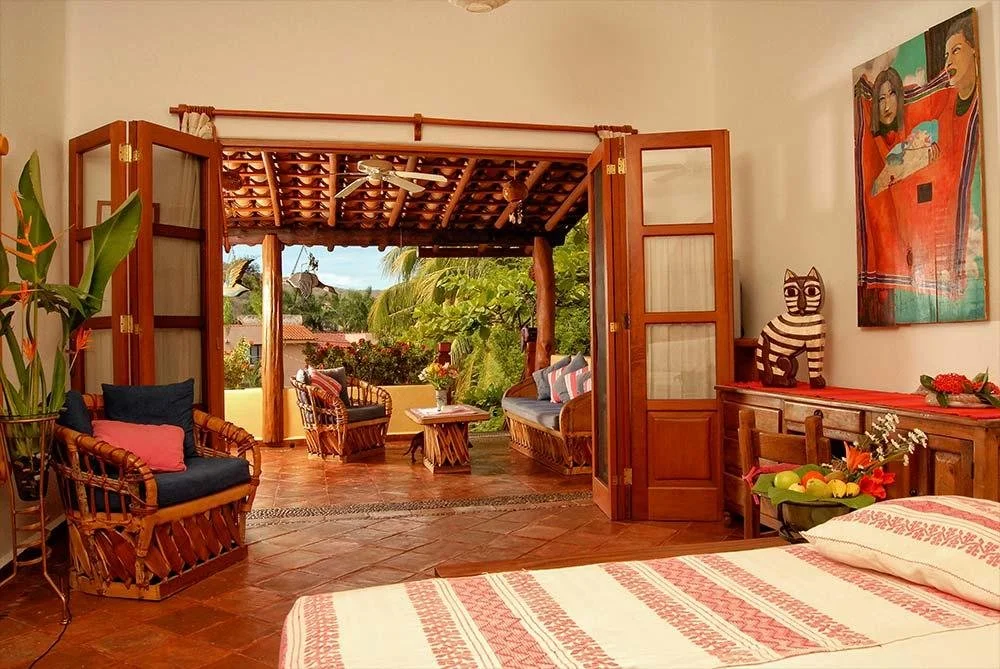
Open living area connecting naturally with an outdoor terrace in a coastal home in Zihuatanejo.
Zihuatanejo's climate makes the relationship between indoor and outdoor spaces especially important.
During a tour, open doors and windows when possible.
Notice whether air moves naturally through the residence. See how easily the living areas connect with terraces, gardens or balconies. Pay attention to whether bedrooms can be comfortably ventilated and how much the home depends on air conditioning.
Then listen.
Opening the property can reveal sounds that were less noticeable when everything was closed.
You may hear the ocean, birds and vegetation. You may also hear a road, neighboring properties, mechanical equipment or activity from nearby businesses.
None of those observations automatically makes a property good or bad.
They simply help you understand what living there may actually feel like.
Walk the Property as if You Already Lived There
A tour often follows the most visually impressive route.
Try taking another one.
Imagine arriving with groceries. Where do you park? How do you reach the kitchen?
Imagine waking up in the morning. How do you move from the bedroom to the terrace or pool?
If you have guests, how do they enter? Are bedrooms appropriately separated? Is there convenient access to bathrooms and outdoor areas?
If you plan to work from the property, where would you actually sit?
Walk through these routines rather than simply moving from room to room.
This can reveal whether the layout supports the way you intend to live.
Our article How to Choose the Right Area to Live in Zihuatanejo approaches the same question at a larger scale: not simply which location is attractive, but which one works with your lifestyle.
Look Beyond the Square Meters
Size matters, but usable space matters more.
Two properties with similar square footage can feel completely different depending on layout, ceiling height, circulation and the relationship between indoor and outdoor areas.
Look at where furniture actually fits.
Consider storage, closets, utility areas and places for luggage, beach equipment or personal belongings if the residence will function as a second home.
Pay particular attention to outdoor spaces.
A large terrace can become one of the most frequently used parts of a coastal residence, but its value depends on shade, orientation, privacy and its connection with the interior.
Instead of asking only how large the property is, ask yourself:
How much of this property would I actually use?
Pay Attention to Privacy
A spectacular view can make it easy to look outward and forget to look sideways.
Stand where you would normally spend time.
From the terrace, can neighboring residences see directly into your living areas? What can you see from the bedrooms? Are there shared walkways nearby? How close are neighboring balconies or pools?
Vegetation and architecture can create privacy, but they can also change over time.
It is useful to understand whether privacy comes from the permanent design of the property or primarily from landscaping that could be altered.
Privacy is personal.
Some buyers enjoy the activity and social atmosphere of a residential community. Others want considerably more separation.
The important thing is knowing which environment you are choosing.
Listen to the Property
This is one of the simplest things you can do during a viewing.
Stop talking for thirty seconds.
Listen.
You may notice waves, birds or wind moving through the vegetation.
You may also notice traffic, pool equipment, air-conditioning compressors, construction, music, restaurants or neighboring activity.
Then consider whether what you hear is temporary or part of the normal environment.
A property that feels completely quiet at 11:00 in the morning may have a different atmosphere in the evening. The reverse can also be true.
Sound is part of a home, even though it rarely appears in listing photographs.
Consider Access Before You Fall in Love with the Elevation

Elevated properties can offer extraordinary views, but stairs, slopes, parking and everyday access should also be considered when evaluating the home.
Elevated locations can offer extraordinary views in Zihuatanejo.
They can also involve hills, stairs and different patterns of access.
If the property is elevated, understand how you will reach it every day.
Consider parking, stairs, driveways and the route between the residence and the street. Think about groceries, luggage and guests.
Also think beyond your own mobility.
Will parents or older relatives visit? Young children? Someone with limited mobility?
And if regular beach access matters to you, understand what the actual journey between the property and the water involves.
We explored this relationship in Ocean View or Beachfront? Choosing the Right Coastal Property.
An elevated location may be exactly what you want. The important thing is to choose the elevation together with the access that comes with it.
Look at Condition, Not Just Finishes
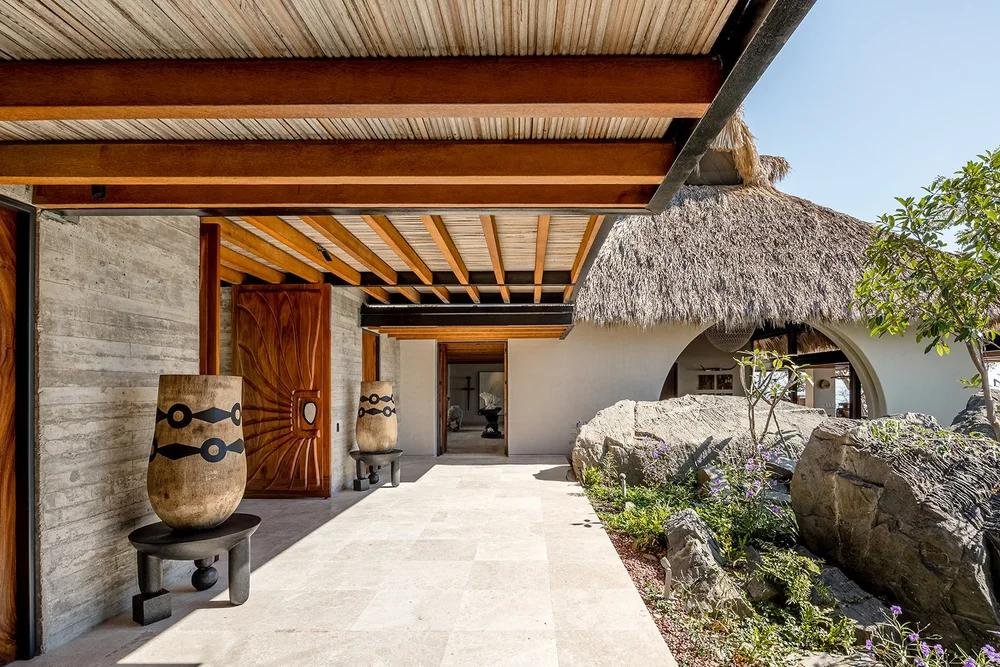
A property tour is an opportunity to look beyond attractive finishes and identify questions about maintenance, equipment and the home's physical condition.
Beautiful finishes can attract attention.
Look underneath them conceptually.
How do the doors and windows operate? How are exterior surfaces holding up? Does the air-conditioning appear well maintained? Are there signs of moisture or areas that deserve closer examination?
Ask about waterproofing, mechanical equipment and recent maintenance.
In a coastal environment, exposure to sun, humidity, rain and salt air makes ongoing care particularly important.
This does not mean buyers should attempt to perform their own technical inspection during a property tour.
They should not.
A viewing can help identify questions. When appropriate, qualified professionals should inspect and verify the physical condition of the property before a purchase is completed.
The purpose of looking carefully is to know what questions to ask next.
If It's a Condominium, Tour the Community Too
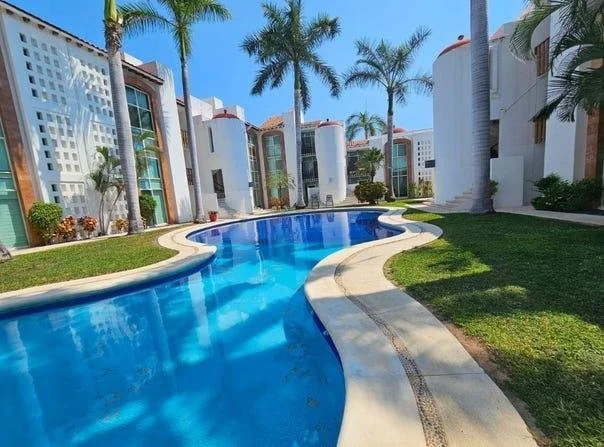
When considering a condominium, the condition and operation of the surrounding community are part of the ownership experience too.
The residence is only part of what you are buying into.
If the property belongs to a condominium or managed residential community, spend time outside the unit.
Walk through the common areas.
Look at the pool, landscaping, pathways, elevators where applicable, parking and entrances. Notice how the community appears to be maintained.
Ask what the maintenance or community fees include.
Understand which areas are the responsibility of the administration and which belong to the individual owner.
If security or controlled access is important to you, understand how it actually operates rather than simply confirming that it exists.
A well-maintained residence inside a poorly maintained community can create a very different ownership experience from what the interior alone suggests.
Look Beyond the Property Line
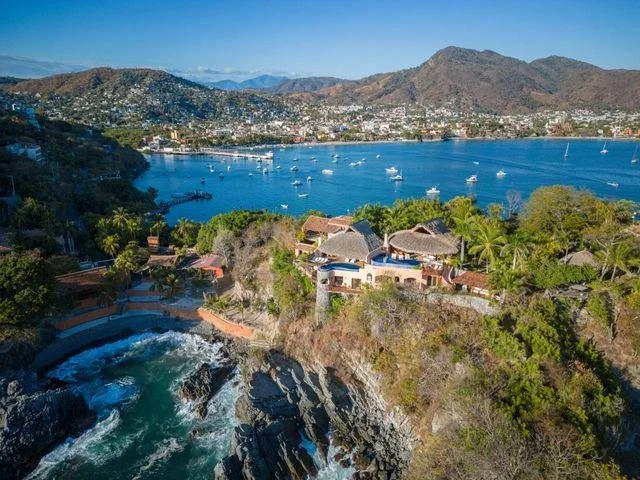
Understanding roads, neighboring properties, development and the surrounding landscape helps place an individual residence within its broader context.
A property does not exist independently from its surroundings.
Before leaving, look beyond the walls of the residence or development.
How do you reach the property from the main road?
What is nearby?
How does the surrounding area feel?
Are there restaurants, beach clubs, hotels, residential communities or undeveloped parcels nearby?
If there is construction, ask what is being built. If open land contributes significantly to the view or privacy, understand that its current condition may not necessarily remain unchanged forever.
This is where local context becomes especially valuable.
The property itself may be beautiful, but understanding its surroundings helps you evaluate the complete location rather than only what exists inside the gate.
Ask What Happens When You're Away
For a second-home buyer, the property tour should include another question:
What happens here when I'm not here?
Who checks the property?
Who maintains the pool or garden?
How are repairs coordinated?
Can the residence be prepared before your arrival?
Does the community provide any of these services, or would they need to be arranged independently?
If you are interested in renting the residence while you are away, this is also the time to understand whether rental programs or professional management options exist and how they operate.
As we discussed in What Does It Really Cost to Own a Second Home in Mexico?, the ownership experience continues long after the purchase itself.
Mar de Palma can help buyers understand these practical considerations and, when appropriate, connect them with established local resources for property management and rental programs.
The question is not only whether you enjoy the property while you are standing inside it.
It is whether the property can work for you when you are somewhere else.
Visit Again at a Different Time
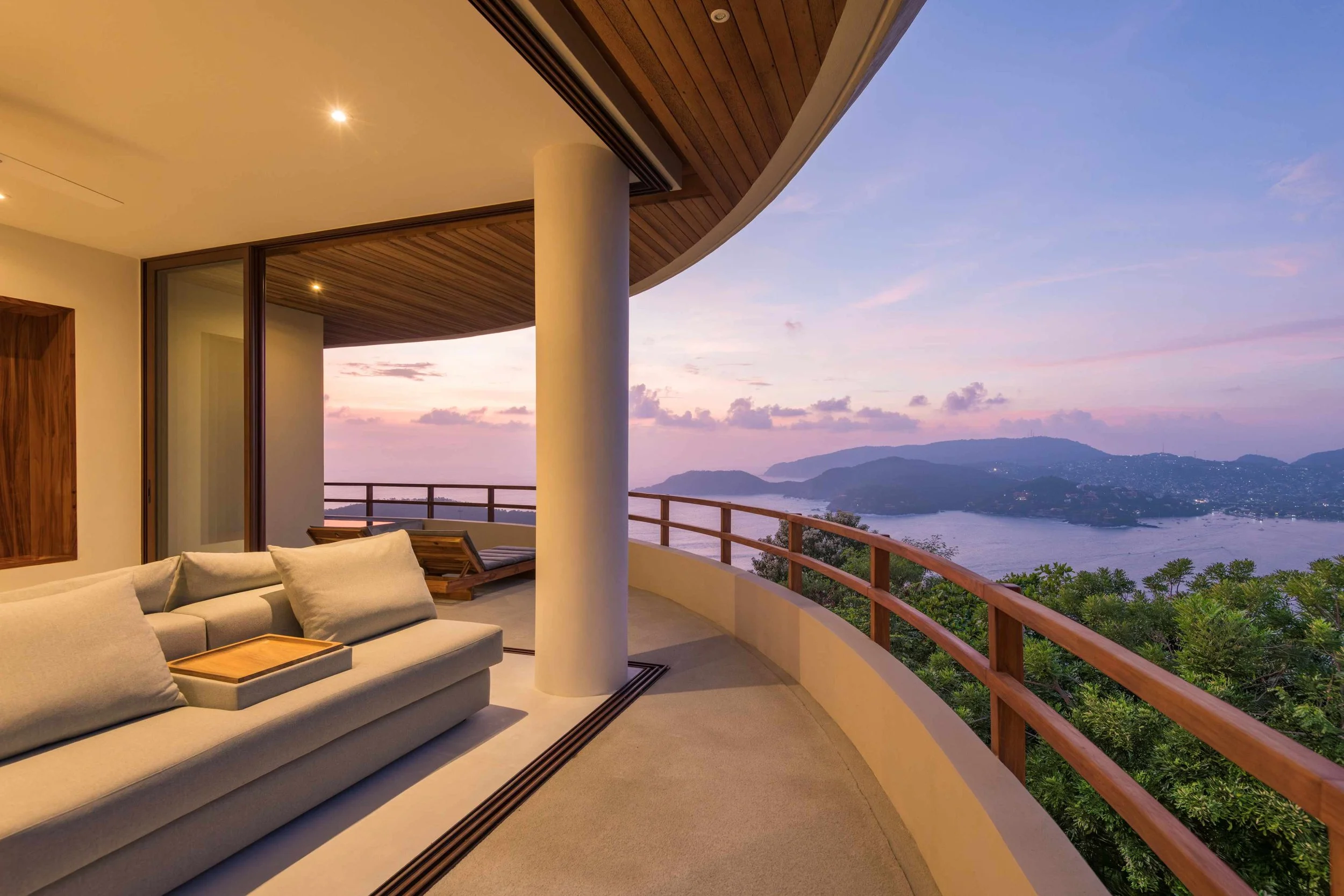
A second visit at another time of day can reveal changes in light, temperature, sound, traffic and the overall atmosphere of a property.
If a property becomes a serious candidate, a second visit can be extremely useful.
Whenever practical, return at a different time of day.
If your first visit was in the morning, see what happens later in the afternoon.
Observe the light again. Feel the temperature on the terrace. Listen to the surroundings. Notice traffic and activity in the neighborhood.
A second visit also has another advantage.
The emotional intensity of seeing the property for the first time has passed.
You can look again with different eyes.
Sometimes the second visit confirms everything you liked.
Sometimes it reveals something you had not noticed.
Both outcomes are valuable.
Before You Leave, Ask Yourself
Before finishing a property tour, take a moment to consider a few practical questions.
Does the orientation work for the hours when I will actually use the home?
How does air move through the property?
Do I feel comfortable with the level of privacy?
How practical is the access?
What maintenance will this property require?
If there are community fees, what do they include?
What happens to the property when I am away?
Is there anything that should be professionally inspected or verified?
And perhaps the most useful question:
Would I still like this property if I came back tomorrow without the excitement of seeing it for the first time?
Beyond the View
A beautiful view matters.
So does the feeling you experience when you walk into a property and immediately imagine yourself there.
Those reactions should not be dismissed. They are part of choosing a home.
But a thoughtful property decision combines that emotional response with careful observation.
Orientation matters.
Access matters.
Privacy matters.
Condition matters.
The surrounding community matters.
And if this will be a second home, understanding how the property functions while you are away matters too.
A property tour should therefore do more than confirm that a residence looks good in person.
It should help you imagine an ordinary day there.
Then an ordinary week.
And eventually, what ownership might feel like several years from now.
The view deserves your attention. It just shouldn't receive all of it.
Explore Independent Property Search
Finding the right property involves more than identifying available inventory.
Mar de Palma's Independent Property Search helps qualified buyers explore opportunities in Zihuatanejo while considering location, lifestyle, property condition, ownership expectations and the practical details that influence how a home will actually be experienced.
Our role is to help buyers look beyond the listing and understand the property, its surroundings and the ownership experience that comes with it.
About the Author
Andres Gurumeta is a Cross-Border Real Estate & Development Advisor with more than 20 years of experience across hospitality, resort operations, residential development and real estate sales. Through AGC Consulting and Mar de Palma, he advises buyers, investors, developers and ownership groups navigating real estate opportunities between Mexico, Canada and the United States.
Written by Andres Gurumeta
Cross-Border Real Estate & Development Advisor
Founder, AGC Consulting | Co-Founder, Mar de Palma
