
You Found the Right Property in Zihuatanejo. What Happens Next?

Finding a property you want to pursue is an important milestone. The next stage is about understanding the property, the proposed terms, the documentation and the steps required to move toward a well-informed purchase.
Finding a property you genuinely want to pursue is an exciting moment.
After comparing locations, visiting different homes and thinking carefully about how you want to use the property, there may finally be one that feels right.
Then the conversation changes.
The questions are no longer only about the view, architecture or neighborhood. They begin to involve terms, documentation, property condition, ownership structure, closing costs and the professionals who may participate in the transaction.
That does not mean the process needs to become overwhelming.
It means this is the moment to replace assumptions with information.
Finding the property is the emotional milestone. Understanding what happens next is what turns interest into an informed purchase.
First, Make Sure It Still Feels Right
Before moving immediately into numbers and paperwork, return to the reasons you were looking for a property in the first place.
Does this residence still fit the way you intend to use it?
Does the location work for your lifestyle?
Are you comfortable with the access, privacy, maintenance requirements and surrounding environment?
If it will be a second home, does the property make sense during the months when you will not be there?
These are exactly the kinds of questions we explored in Beyond the View: What to Look for When Touring a Property in Zihuatanejo.
Finding a property you love can create a natural sense of urgency. But before deciding how to move forward, it is useful to separate excitement from fit.
The objective is not to eliminate emotion from the decision.
It is to make sure the practical reasons for buying the property are as compelling as the emotional ones.
Understand Exactly What Is Being Offered

Before moving forward, buyers should understand exactly what is included in a proposed sale, from furnishings and equipment to parking, storage and other property features.
A property is more than the space you walked through.
Before discussing an offer, understand exactly what is included in the proposed sale.
Does the residence include parking?
Is there assigned storage?
Are furnishings included, excluded or negotiable?
What about appliances, air-conditioning equipment, outdoor furniture, lighting fixtures or other items that may appear to be part of the property?
If the residence belongs to a condominium or residential community, understand which areas belong exclusively to the property and which are common.
For a new development or pre-construction purchase, the questions may be different. Buyers may need to understand specifications, included finishes, equipment, parking, delivery conditions and what is represented in plans or other project documentation.
The clearer the definition of what is being purchased, the fewer assumptions need to be made later.
Price Is Only One Part of an Offer
Naturally, price matters.
But an offer can contain considerably more than a number.
Depending on the transaction, terms may address deposits, payment schedules, closing timing, possession, included furnishings or equipment and other conditions relevant to the purchase.
For that reason, two offers at the same price are not necessarily identical.
Before agreeing to terms, understand what is being proposed and what each important date or obligation means.
If something is unclear, ask.
This is not the stage where questions should feel inconvenient.
“The goal after finding the right property is not simply to move faster. It is to move with greater clarity.”
Understand What You Are Being Asked to Sign
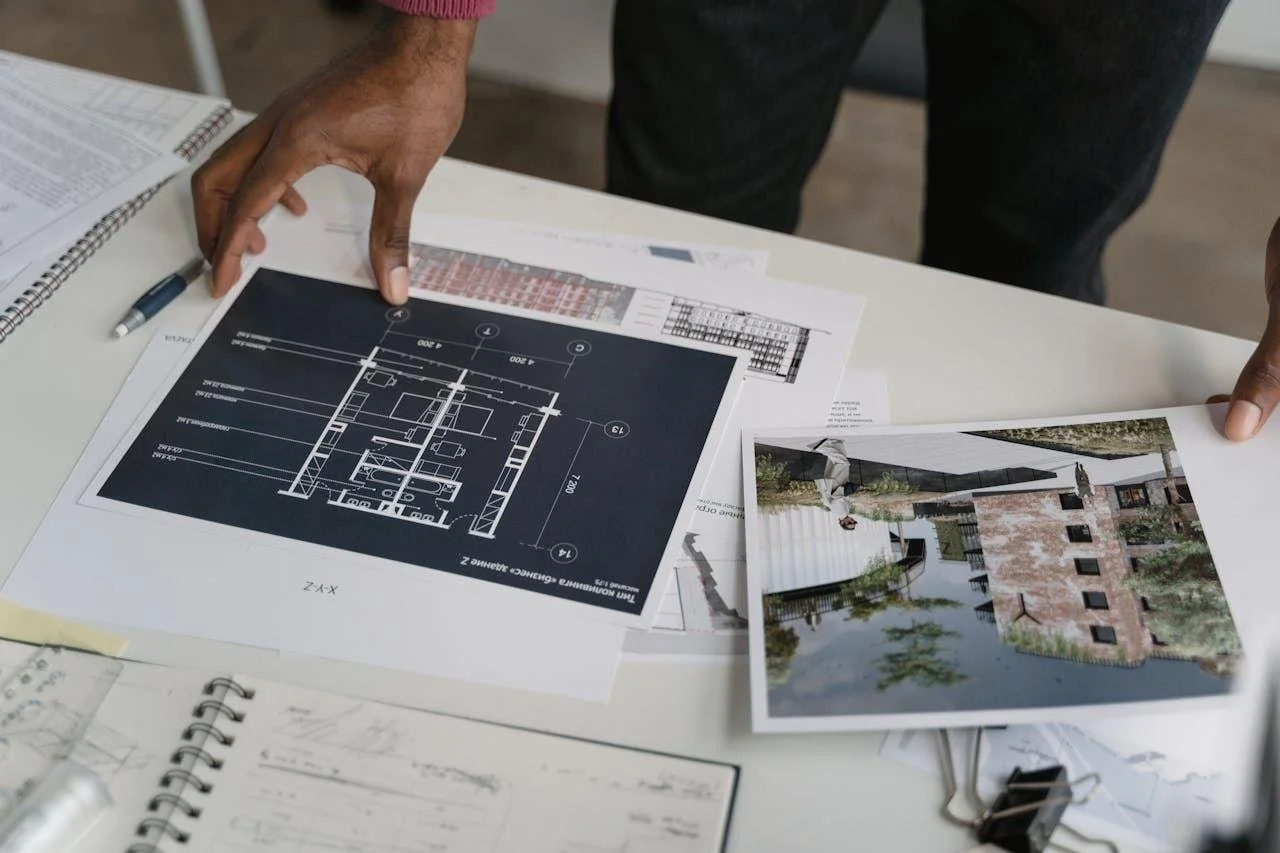
Transaction documents should be understood before they are signed. When legal interpretation is required, buyers should seek advice from the appropriate qualified professional.
Once documents begin appearing, it can be tempting to treat them as administrative steps.
They are not.
Before signing any offer, agreement, reservation document or other transaction-related document, understand what it says, what obligations it creates and what happens to any money being delivered.
If a document contains provisions you do not understand, obtain appropriate professional advice before signing.
This is particularly important when purchasing property in another country, where terminology, procedures and legal structures may differ from those a buyer is accustomed to at home.
Mar de Palma can help buyers understand the transaction process and coordinate communication, but legal interpretation belongs with the appropriate qualified professionals.
Never let the excitement of finding the property turn an important document into “just paperwork.”
Documentation Comes Into Focus
As the transaction progresses, the documentation associated with the property becomes increasingly important.
The exact documents and verification required depend on the type of property and the circumstances of the transaction.
The process may involve reviewing information related to ownership, property identification, taxes, condominium status, permits or other documentation relevant to the particular purchase.
A resale condominium will not necessarily require the same review as a new development, a standalone residence or a parcel of land.
That is why broad online checklists can be useful for orientation but should not replace transaction-specific professional review.
The objective is to establish what needs to be verified for this property, this buyer and this transaction.
Due Diligence Is Not One Single Check

Physical condition is an important part of evaluating a property. Depending on the residence, certain systems, finishes or structural elements may warrant review by a qualified professional.
People often talk about “due diligence” as though it were one item on a checklist.
In practice, it is better understood as several different questions.
Is the legal documentation appropriate for the transaction?
Is the physical condition of the property understood?
If the residence belongs to a condominium, are there relevant community documents, fees or obligations to review?
Are there practical issues involving access, utilities or use that matter to the buyer?
Are there financial, tax or ownership-structure questions requiring specialist advice?
Different professionals may be responsible for different parts of that review.
The purpose of due diligence is not to create unnecessary obstacles.
It is to reduce the number of important things a buyer is simply assuming.
This Is Where the Notary Becomes Important
In Mexico, a Notario Público has a formal legal role in real estate transactions.
For buyers coming from Canada or the United States, the title can sometimes create confusion because the responsibilities of a Mexican notario are substantially different from those associated with a notary public in those countries.
As a purchase progresses, the notario may be involved in legal formalities and documentation required for the transfer of the property.
The exact work required depends on the transaction.
This is another reason buyers should avoid relying on assumptions based on how property purchases work in their home country.
Mar de Palma can help coordinate the process and communication among the parties, while the notario and other qualified professionals handle matters within their respective professional responsibilities.
Foreign Buyers May Need to Consider Ownership Structure
For international buyers, the way a property will be held can also become part of the conversation.
Foreign buyers acquiring residential property within Mexico's restricted zone may commonly use a bank trust, known as a fideicomiso, subject to the applicable legal requirements and the circumstances of the transaction.
That does not mean every buyer or every property should be approached identically.
Ownership structure can involve legal, tax and estate-planning considerations that depend on the buyer's circumstances.
Those questions should be discussed with qualified legal and tax professionals.
Mar de Palma's role is to help buyers recognize when these questions need to be addressed and coordinate with the appropriate specialists, rather than attempting to replace their advice.
Inspect the Property, Not Just the Documents
Legal documentation is only one side of the purchase.
The physical property deserves its own attention.
A buyer may choose to have a qualified professional inspect the residence or particular systems when appropriate.
The scope of that review can depend on the age, type and condition of the property.
During your initial visits, you may already have noticed questions involving air conditioning, waterproofing, doors and windows, electrical or plumbing systems, pool equipment, exterior finishes or signs of moisture.
Those observations can help identify areas that deserve closer attention.
But a buyer's visual observations are not a substitute for a professional inspection when one is appropriate.
Documents can tell you important things about a property. So can the building itself.
If It's a Condominium, Understand the Community

When purchasing a condominium, community fees, rules, shared amenities and maintenance responsibilities form part of the ownership experience alongside the residence itself.
Buying a condominium also means becoming part of a larger property structure.
Before moving forward, understand the community as well as the individual residence.
What are the current maintenance or condominium fees?
What do those fees include?
Are there rules that could affect how you plan to use the property?
How are common areas maintained?
Are there matters concerning the community that should be reviewed as part of the transaction?
If renting the property is part of your plan, understand any applicable community rules before assuming that a particular rental strategy will be possible.
The beautiful pool you saw during the tour is part of the experience.
So are the rules, responsibilities and costs behind maintaining it.
Understand the Costs Beyond the Purchase Price
By this stage, the buyer should also begin developing a clearer picture of the money required beyond the agreed purchase price.
A transaction can involve closing-related expenses that vary according to the property, transaction and ownership structure.
Buyers should obtain transaction-specific information from the appropriate professionals rather than relying on a generic percentage found online.
Then there is the cost of ownership after closing.
Property taxes, community fees, utilities, insurance, maintenance, property management and other expenses may need to be considered depending on the residence.
We explore that side of ownership in What Does It Really Cost to Own a Second Home in Mexico?
Understanding both sets of costs provides a much more useful picture:
What will it take to acquire the property, and what will it take to own it comfortably afterward?
An Accepted Offer Is a Milestone, Not the Finish Line
Accepted terms are an important milestone, but documentation, professional review, payments and closing arrangements may still need to be completed before ownership transfers.
Having terms accepted can feel like the moment everything is settled.
It is an important milestone.
But several steps may still remain before the property legally changes hands and possession is delivered.
Documentation may still need to be reviewed.
Professional verification may need to be completed.
Closing arrangements may need to be coordinated.
Payments and required documents may need to be prepared.
If a fideicomiso or another ownership structure is involved, additional steps may form part of the process.
The exact sequence and timing will depend on the transaction.
“An accepted offer is an important milestone. It is not the end of the buying process.”
This is where good coordination becomes particularly valuable.
Everyone involved should understand what remains outstanding, who is responsible for it and what needs to happen next.
Prepare for Closing and Possession
As closing approaches, the conversation gradually shifts from buying the property to becoming its owner.
Confirm the timing and requirements for final payments.
Understand what documents will be executed and what still needs to be completed.
Clarify when possession will be delivered.
Determine how keys, access devices and other property information will be transferred.
For a furnished property, confirm what is expected to remain.
If utilities or services require coordination, understand what needs to happen and when.
And for a second home, begin thinking about what happens immediately after possession.
Who will look after the property?
Does it need cleaning or maintenance before your first extended stay?
Will you need property management?
If renting is part of the plan, when should those conversations begin?
The transition into ownership deserves planning too.

Closing marks the transition from purchasing a property to owning it, including possession, access, utilities, property care and preparing the residence for the way you intend to use it.
Before Moving Forward, Make Sure You Understand
Before progressing toward closing, you should be able to answer some fundamental questions:
What exactly is included in the proposed purchase?
What are the proposed payment terms and important dates?
What documentation needs to be reviewed?
Who is responsible for each part of the transaction?
Does the property require a professional inspection or other technical review?
Are there condominium or community documents that should be considered?
What ownership structure applies to my circumstances?
What closing expenses should I anticipate?
What still needs to happen between accepted terms and closing?
How and when will possession be delivered?
You may not personally have every technical answer.
You should, however, know who is responsible for providing or verifying it.
Clarity Is More Valuable Than Speed
Finding the right property can create momentum.
That is natural.
After weeks or months of searching, finally discovering a residence that fits can make every additional step feel like something standing between you and the keys.
But those steps exist for a reason.
A thoughtful purchase is not about making the process unnecessarily slow.
It is about understanding what is happening while it moves forward.
Know what you are buying.
Understand the terms.
Ask questions about the documentation.
Bring in qualified professionals where their expertise is needed.
Understand the costs.
Know what remains before closing.
And prepare for what happens once the property becomes yours.
A good purchase is not only about finding the right property. It is also about understanding the path to owning it.
Move Forward with Greater Clarity
Finding a property you want to pursue is only one part of making a well-informed purchase.
Through Independent Property Search, Mar de Palma helps qualified buyers evaluate opportunities in Zihuatanejo and understand the practical steps that may follow, while coordinating with the appropriate legal, notarial, tax and technical professionals when their expertise is required.
Our role is not simply to help buyers reach a transaction.
It is to help them understand the decisions they are making along the way.
About the Author
Andres Gurumeta is a Cross-Border Real Estate & Development Advisor with more than 20 years of experience across hospitality, resort operations, residential development and real estate sales. Through AGC Consulting and Mar de Palma, he advises buyers, investors, developers and ownership groups navigating real estate opportunities between Mexico, Canada and the United States.
Written by Andres Gurumeta
Cross-Border Real Estate & Development Advisor
Founder, AGC Consulting | Co-Founder, Mar de Palma
