

Contemporary residential architecture reflects the diversity of homes available along Mexico's Pacific coast, where thoughtful preparation is an essential part of the buying process.
For many international buyers, the idea of owning a home in Zihuatanejo begins with a memorable visit.
Perhaps it is the relaxed atmosphere of the town, the beauty of the Pacific coastline or the possibility of spending more time in a place that feels genuinely different from home.
Over time, an occasional vacation may become a conversation about purchasing a second residence, planning for retirement or establishing a more permanent connection to Mexico.
But buying property in another country involves considerations that go beyond finding the right home.
Ownership structures, legal documentation, transaction costs and local market practices may differ significantly from those familiar to buyers in Canada or the United States.
Understanding these differences before beginning a property search can make the experience more informed, organized and rewarding.
The best place to begin is not necessarily with a property listing. It is with a clear understanding of your goals and the purchasing process.
“A successful property purchase abroad begins long before signing a contract. It begins with understanding the market, the process and your priorities.”
1. Begin With How You Intend to Use the Property

From seasonal retreats to future full-time residences, understanding how a property will be used is an essential first step in choosing the right home.
Before exploring individual residences, consider how the property will fit into your life.
Will it serve as a seasonal retreat during the winter months?
Are you planning to spend extended periods in Mexico or eventually make Zihuatanejo your primary residence?
Would you prefer a home reserved exclusively for personal use, or are you interested in exploring the possibility of renting it when you are away?
These questions influence nearly every aspect of the search.
A condominium within an established residential community may appeal to buyers seeking a property that is easier to maintain during extended absences.
A standalone residence may offer greater independence, additional outdoor space and a different level of privacy, along with more direct responsibility for maintenance.
Location also plays an important role.
Some buyers prioritize proximity to beaches, restaurants and everyday services. Others prefer elevated residential settings, quieter surroundings or greater separation from the town's busiest areas.
Understanding how you intend to use the property helps determine which features genuinely matter.
2. Understand How Foreign Property Ownership Works in Mexico
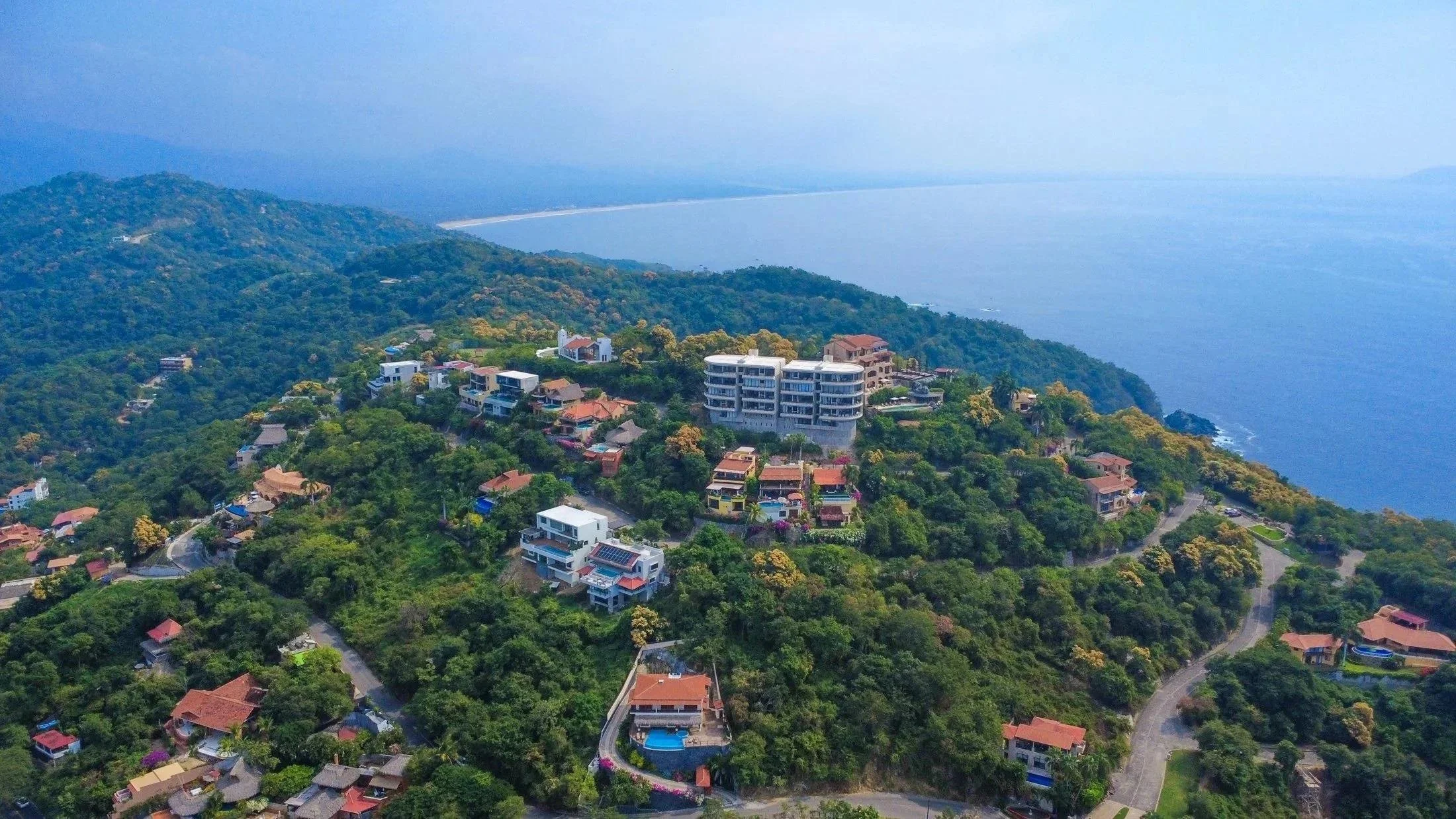
Foreign buyers purchasing residential property along Mexico's coastline should understand the ownership structures and legal requirements applicable to their transaction.
One of the most common questions among international buyers concerns the ability of foreigners to own property in Mexico.
Foreign nationals can legally acquire real estate in Mexico, although the ownership structure depends on the property's location and other circumstances.
Under Mexican law, land within 50 kilometers of the coastline or 100 kilometers of an international border falls within what is known as the restricted zone.
Because Zihuatanejo is a coastal destination, residential purchases by foreign nationals commonly involve a Mexican bank trust known as a fideicomiso.
In a typical residential fideicomiso, a Mexican bank holds legal title as trustee while the foreign buyer holds beneficial rights under the trust.
These rights generally allow the beneficiary to use, enjoy and transfer the property, subject to the applicable trust terms and Mexican law.
The trust is commonly established for a term of up to 50 years and may be renewed in accordance with applicable requirements.
A fideicomiso is not the same as a traditional lease.
It is a legally recognized structure used to facilitate foreign ownership rights in Mexico's restricted zone.
However, the appropriate ownership arrangement must be evaluated for each transaction.
Buyers should obtain independent Mexican legal advice before selecting an ownership structure or signing binding documents.
3. Understand the Full Cost of Purchasing
The advertised purchase price is only one component of the financial commitment.
Depending on the property and transaction, additional acquisition expenses may include:
Property acquisition taxes.
Notary fees.
Public Registry registration expenses.
Appraisal and administrative costs.
Fideicomiso establishment fees, when applicable.
Legal and other professional fees.
For properties held through a bank trust, ongoing trustee administration fees may also apply.
The amounts vary depending on the property's location, declared and assessed values, ownership structure and other transaction-specific factors.
Rather than relying on a universal closing-cost percentage, buyers should request a detailed estimate prepared for the property they are considering.
It is equally important to evaluate ongoing ownership expenses.
Property taxes, condominium fees, insurance, utilities, maintenance and property management services can influence the long-term affordability and practicality of a residence.
For buyers who intend to spend only part of the year in Mexico, understanding these recurring responsibilities is particularly important.
A well-informed purchase decision considers both the cost of acquiring the property and the cost of maintaining it over time.
For a broader discussion of ongoing expenses, see What Does It Really Cost to Own a Second Home in Mexico?
4. Make Legal Due Diligence a Priority
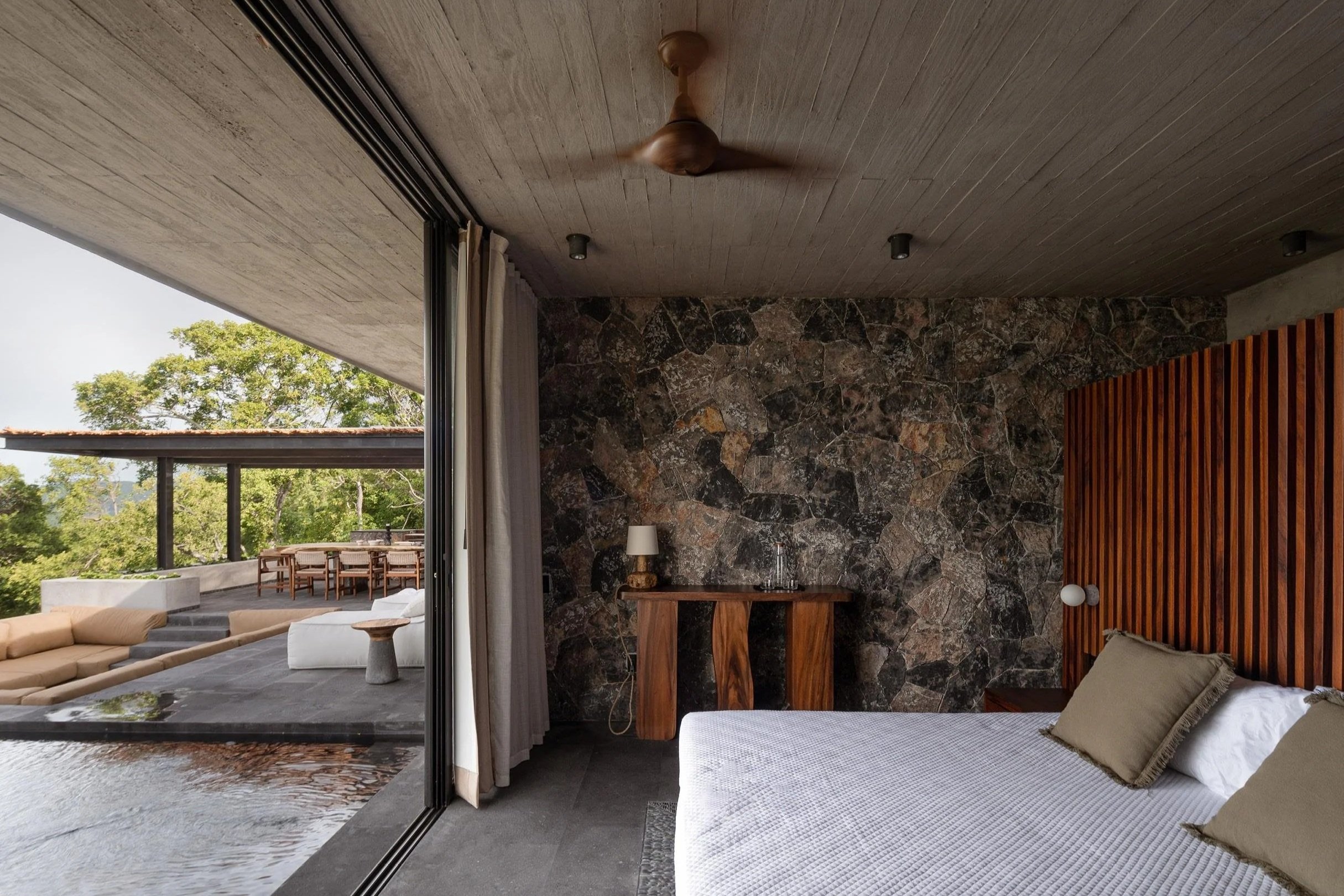
Beyond architecture and design, buyers should carefully review the legal documentation and physical characteristics of any property they are considering.
Finding a property that feels right is an important milestone.
It is not, however, a substitute for verifying its legal and physical condition.
Before completing a purchase, buyers should work with qualified Mexican professionals to review the documentation relevant to the transaction.
Depending on the property, this may include verification of:
Ownership and title documentation.
Registered liens, encumbrances or other claims.
Property boundaries and cadastral information.
Applicable land-use and construction permissions.
Condominium regulations and financial obligations.
Outstanding property taxes, utility charges or association fees.
Seller authority and the legal capacity of the parties involved.
For newly constructed properties or developments still under construction, additional considerations may include permits, contractual delivery obligations, payment schedules and the developer's legal documentation.
In Mexico, the notario público performs an important legal and formal role in real estate transactions.
However, the notary's responsibilities should not be confused with those of an independent attorney engaged specifically to represent the buyer's interests.
Independent legal review helps buyers understand the obligations, conditions and potential risks associated with a particular transaction.
5. Explore the Neighborhood Before Choosing the Home
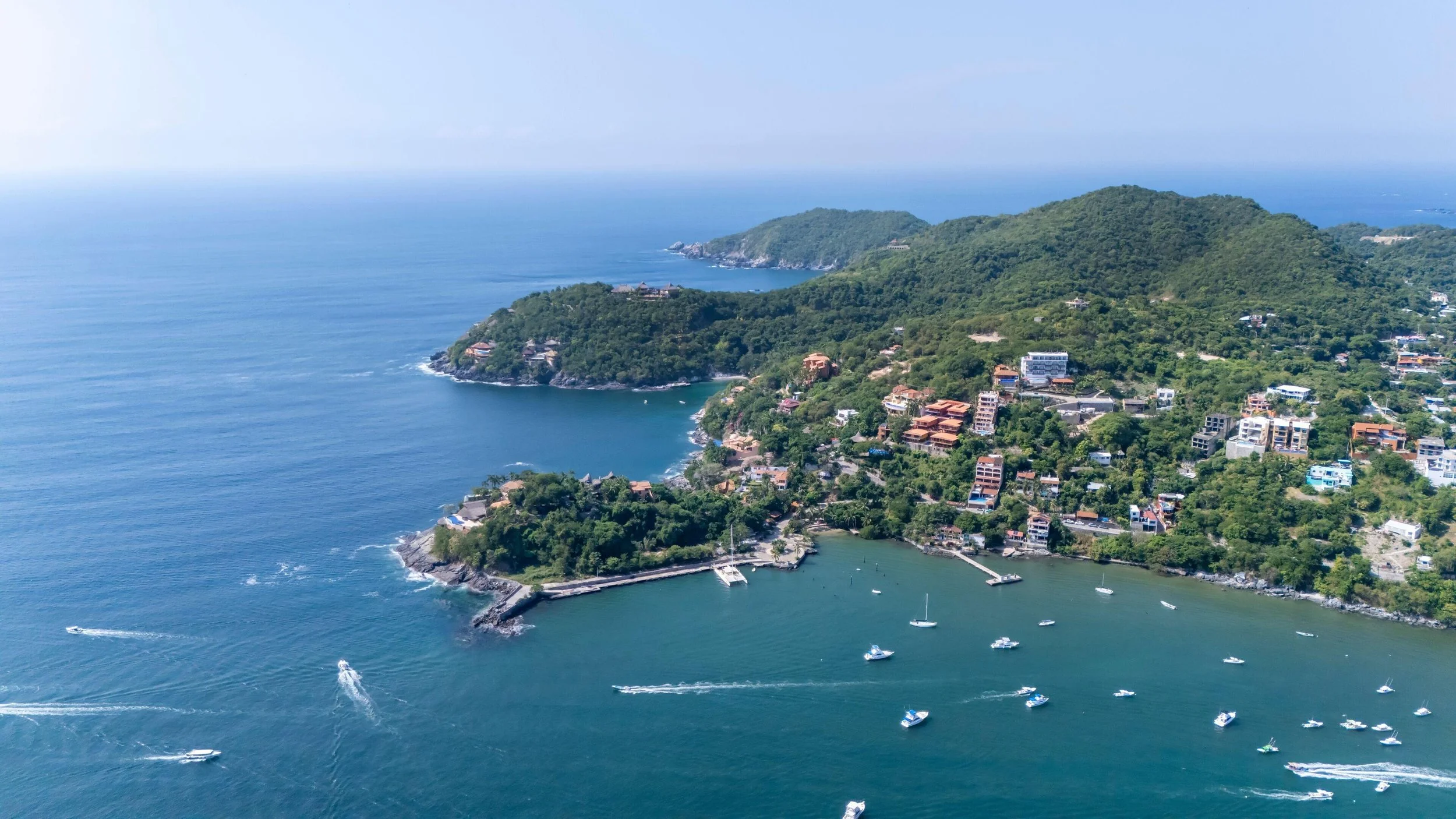
From established hillside communities to residences near the beach, Zihuatanejo offers distinct residential environments for international buyers.
A property may look exceptional in photographs and still be poorly suited to the way its future owner intends to live.
Zihuatanejo and the surrounding coastal area offer distinct residential environments.
La Ropa attracts buyers interested in proximity to one of the destination's best-known beaches and its surrounding amenities.
Cerro del Vigía offers elevated residential settings where topography, views and community design contribute to a different experience.
Ixtapa provides another range of residential communities, condominium developments and resort-oriented environments.
Other coastal areas appeal to buyers who prioritize privacy, nature or a quieter pace of life.
The right location depends on individual priorities.
Access, road conditions, proximity to services, neighborhood activity and maintenance requirements should all be considered.
For international buyers, it is also worth evaluating how the property will function when they are not in Mexico.
Will someone need to supervise maintenance?
Are reliable local service providers available?
Does the residential community have established procedures for managing shared areas?
These practical considerations can be just as important as the property's architecture or ocean views.
For a more detailed perspective, explore How to Choose the Right Area to Live in Zihuatanejo.
6. Buying Remotely Versus Visiting in Person
Many international buyers begin their search before arriving in Mexico.
Online property information, photographs, video tours and virtual conversations can help identify suitable opportunities and narrow the selection.
These tools are particularly useful when buyers have limited time available for property visits.
However, remote research should not replace appropriate verification.
Photographs may not fully communicate a property's condition, surrounding noise, accessibility, orientation or relationship with neighboring buildings.
Whenever practical, visiting a property in person allows buyers to experience these characteristics directly.
For those who cannot travel during every stage of the transaction, independent professional inspections, legal reviews and reliable local representation become especially important.
It is also useful to distinguish between information provided for marketing purposes and documentation that has been independently verified.
The objective is not simply to make a remote purchase possible. It is to ensure that distance does not compromise the quality of the decision.
7. Build the Right Local Advisory Team
Purchasing property in another country involves several professional responsibilities.
A knowledgeable real estate advisor can help buyers understand the local market, evaluate available properties and coordinate the search according to their priorities.
An independent Mexican attorney can review legal documentation and advise on contractual and ownership matters.
The notario público oversees the formal legal procedures within the scope of the notary's responsibilities.
Depending on the transaction, buyers may also need guidance from tax advisors, financial institutions, inspectors or other specialists.
For Canadian and American buyers, cross-border tax and estate-planning considerations may also warrant professional review in their country of residence.
No single professional should be assumed to replace the expertise of the others.
A coordinated team helps ensure that the commercial, legal, financial and practical aspects of a purchase receive appropriate attention.
At Mar de Palma, our role is to help buyers navigate the property-search process through local market knowledge, selected opportunities and personalized advisory support.
We also recognize the importance of working with qualified independent professionals for matters outside the scope of real estate advisory.
8. Confidence Begins Before the Purchase

A thoughtful property search begins with understanding your priorities and finding a residence that supports the lifestyle you envision.
Buying a home in Zihuatanejo can represent an important personal milestone.
For some, it means creating a place to return to each winter.
For others, it is the beginning of a longer relationship with Mexico, its communities and its coastal way of life.
Whatever the motivation, a thoughtful approach begins with preparation.
Understanding ownership structures, evaluating the full financial commitment, reviewing legal documentation and exploring the local market all contribute to a more informed decision.
Just as importantly, buyers should take the time to understand what they genuinely want from the experience of owning a home abroad.
The right property is not necessarily the first one that captures your attention.
It is the residence that aligns with your priorities, expectations and long-term plans.
“The goal is not simply to purchase a property in Mexico. It is to make an informed decision that supports the way you want to live.”
Begin Your Property Search With Clarity
At Mar de Palma, we believe that buying property in Zihuatanejo should begin with a conversation about your goals, preferences and expectations.
Whether you are exploring a second home, planning a future residence or considering selected coastal opportunities, our personalized approach helps you navigate the local market with greater understanding.
We work with buyers across Mexico, Canada and the United States, combining local market knowledge with a thoughtful advisory experience.
Explore our Independent Property Search service or contact Mar de Palma to begin your conversation.
About the Author
Andres Gurumeta is a Cross-Border Real Estate & Development Advisor with more than 20 years of experience across hospitality, resort operations, residential development and real estate sales.
Through AGC Consulting and Mar de Palma, he advises buyers, investors, developers and ownership groups evaluating real estate opportunities between Mexico, Canada and the United States.
Written by Andres Gurumeta
Cross-Border Real Estate & Development Advisor
Founder, AGC Consulting | Co-Founder, Mar de Palma
This article is provided for general educational purposes and does not constitute legal, tax or financial advice. Ownership requirements and transaction procedures should be confirmed with qualified professionals in Mexico.
